

 By
By TL;DR
Belly fat doesn’t respond to crunches or targeted exercises fat loss happens all over the body, not in one spot. The real driver is a sustained calorie deficit, combined with enough protein to preserve muscle while you lose weight. Sleep, stress, and hormones all play a surprisingly large role in how and where your body stores fat. There are no shortcuts, but the actual process is more straightforward than most content online makes it seem.
What’s Actually Happening With Belly Fat
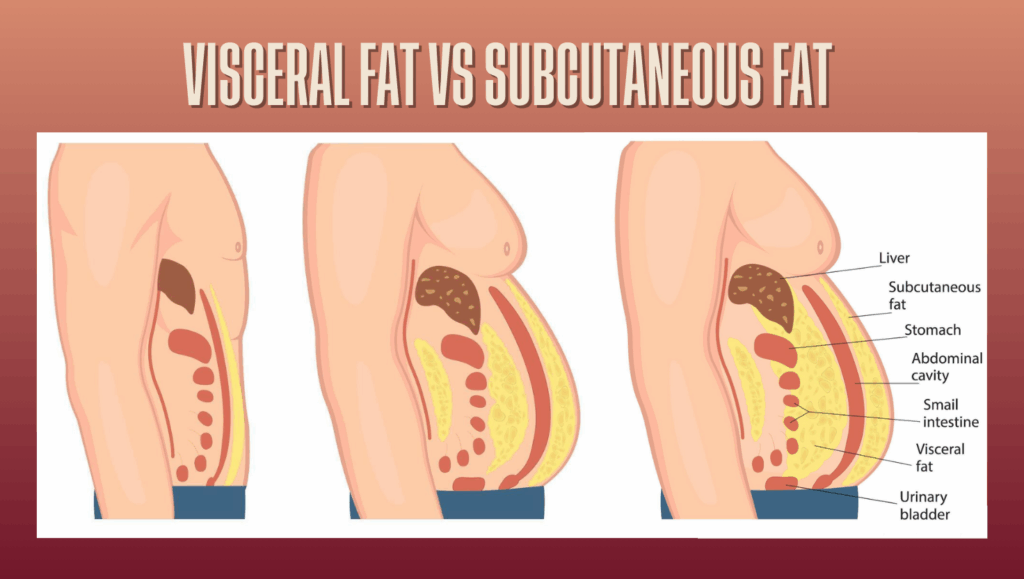
Before getting into what works, it helps to understand what you’re dealing with. There are two types of fat around the midsection subcutaneous fat, which sits just under the skin and is the soft stuff you can grab, and visceral fat, which sits deeper around your organs. Both respond to a calorie deficit over time, but visceral fat tends to come off earlier and more readily, which is part of why people often notice their stomach looking flatter before the scale moves much.
The reason belly fat feels stubborn is partly physiological and partly psychological. Physiologically, the abdominal area has a higher density of alpha adrenergic receptors compared to beta adrenergic ones, which basically means the cells there are slower to release stored fat when your body calls for energy. Psychologically, it’s the first place most people look when they’re checking progress, so it can feel like nothing is happening even when it is.
Understanding this doesn’t make the fat disappear faster, but it does change how you interpret slow progress. The body isn’t broken. It’s just working through its own logic.
Why Spot Reduction Doesn’t Work
This one trips up a lot of people, so it’s worth addressing directly. Doing hundreds of crunches, leg raises, or any other ab exercise will not burn belly fat specifically. Research has pretty consistently shown that you cannot target fat loss to a particular area of the body through localized exercise. The muscle underneath might get stronger, but the fat on top will only reduce through overall body fat loss.
This isn’t a knock on core training having a stronger core genuinely matters for posture, injury prevention, and overall performance. But if your goal is to lose belly fat, the exercises that will actually move the needle are the ones that burn the most calories and build the most muscle tissue across your whole body. Compound movements like squats, deadlifts, rows, and presses do more for fat loss than any amount of ab specific work, because they involve more muscle mass and create a larger metabolic demand.
The idea that you can crunch your way to a flat stomach is probably the single most stubborn myth in fitness, and it survives because it feels logical on the surface. The body just doesn’t work that way.
The Calorie Deficit: What It Actually Means
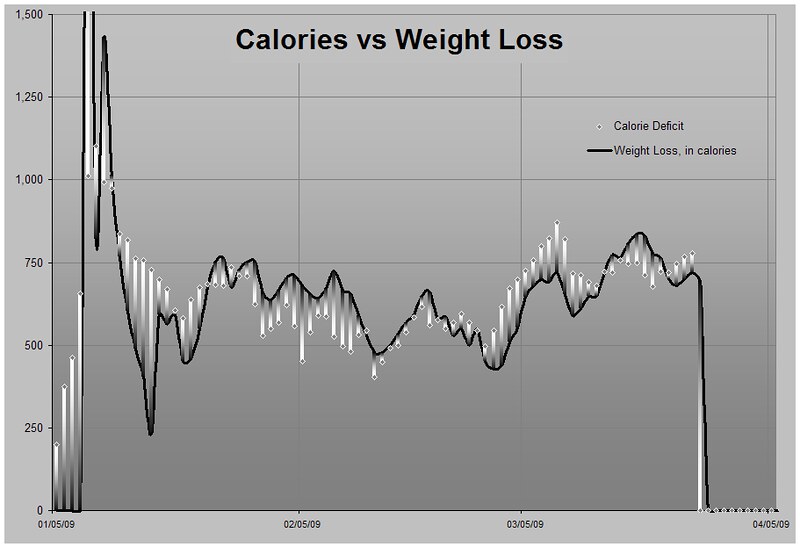
Learning how to lose belly fat really comes down to one principle: you need your body to use more energy than you give it. That’s a calorie deficit. Everything else the diets, the programs, the meal timing debates is just a variation on how to achieve that.
A moderate deficit is around 300 to 500 calories below your maintenance level per day. That’s enough to drive fat loss without being so aggressive that your body starts breaking down muscle for fuel or that your hunger becomes genuinely unsustainable. Most evidence points toward losing around 0.5 to 1 percent of your bodyweight per week as a reasonable target anything faster tends to mean you’re losing more muscle alongside the fat, which makes the whole thing harder to maintain.
What this looks like practically varies a lot between people. For some, it means cutting back on liquid calories. For others, it means eating more whole foods that are filling relative to their calorie count. There’s no single diet that works for everyone, but the ones that tend to fail are the ones that require you to overhaul your entire eating pattern overnight. Slow, sustainable adjustments to what you’re already eating almost always outlast dramatic dietary changes.
Protein Matters More Than Most Beginners Realize
If there’s one thing worth paying close attention to when you’re trying to lose belly fat, it’s how much protein you’re eating. Most people don’t eat enough of it, and it makes a genuine difference.
Protein does a few things that are particularly useful during fat loss. It keeps you full for longer than carbohydrates or fats, which makes staying in a deficit easier. It preserves muscle mass while you’re losing weight, which matters because muscle tissue is metabolically active losing it slows down how many calories your body burns at rest. And it has a higher thermic effect than other macronutrients, meaning your body uses more energy just to digest and process it.
Most research suggests somewhere between 1.6 and 2.2 grams of protein per kilogram of bodyweight as a reasonable target for someone trying to lose fat while preserving muscle. That works out to about 0.7 to 1 gram per pound. It sounds like a lot until you start tracking it and realise where the gaps are. Eggs, Greek yogurt, chicken, fish, legumes, and cottage cheese are all high protein foods that tend to be filling without being calorie dense.
How Sleep and Stress Are Actually Connected to Belly Fat

This is the part that often surprises people. Sleep deprivation and chronic stress don’t just make you feel terrible they directly influence how your body stores and holds onto fat, particularly around the midsection.
When you’re sleep deprived, your body produces more ghrelin, the hormone that makes you feel hungry, and less leptin, the one that signals fullness. On top of that, your preference for calorie dense, high carb foods goes up significantly when you’re tired. Studies have consistently found that people in calorie restricted conditions lose less fat when they’re sleeping poorly not because the math changes, but because the behaviours around food become harder to manage.
Cortisol, the stress hormone, is the other piece of this. Chronically elevated cortisol the kind that comes from sustained stress, poor sleep, or over training has been linked to increased fat storage around the abdomen specifically. This is partly evolutionary: visceral fat has more cortisol receptors than fat stored elsewhere, and the body prioritises putting fuel close to the organs when it perceives sustained threat.
None of this means stress is the primary reason someone isn’t losing belly fat. A calorie deficit will still produce fat loss even under elevated stress. But it does mean that treating sleep as optional or pushing through high stress without any management is making the process harder than it needs to be.
Exercise: What Type Actually Helps
Cardio and strength training both contribute to fat loss, but they work differently and aren’t interchangeable. Cardio whether walking, running, cycling, or anything that elevates your heart rate burns calories during the session. Strength training burns fewer calories per session on average, but it builds muscle, which raises your resting metabolic rate over time. Meaning you burn more calories even when you’re not working out.
For someone just starting out, a combination of both tends to work better than committing fully to one or the other. Strength training two to three times per week gives you the muscle preservation and metabolic benefits. Adding regular walking not intense cardio sessions, just walking does more for overall calorie burn than most people expect and is sustainable in a way that five days of running isn’t for most beginners.
The trap beginners often fall into is treating exercise as the main lever for fat loss and eating as an afterthought. Exercise matters a lot for health, performance, and body composition, but it’s genuinely difficult to out exercise a diet that’s significantly over your maintenance calories. The research is pretty clear on this. Diet is the primary driver of fat loss. Exercise supports it and makes it significantly better, but it rarely compensates for eating well above maintenance.
What Realistic Progress Actually Looks Like
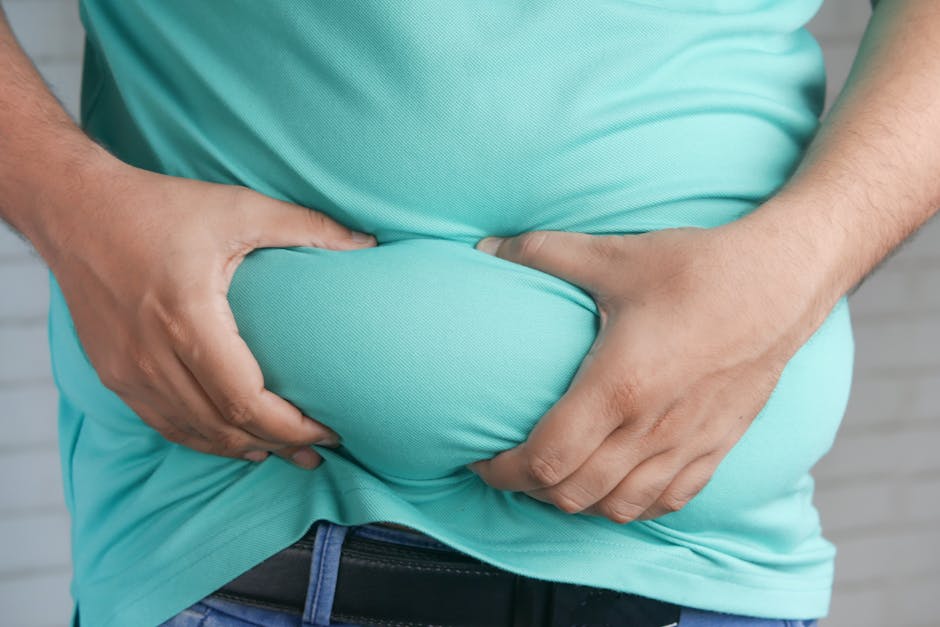
One of the biggest reasons people give up is that they expect to lose belly fat in a few weeks and then feel like something is wrong when it takes months. The timeline is longer than most fitness content suggests, and that’s just the reality of how the body works.
At a sustainable deficit, visible changes in the midsection often take 8 to 12 weeks to become clearly noticeable, sometimes longer depending on starting point. The scale might move faster than the visual changes, or the opposite. Measurements around the waist tend to be a more reliable indicator of actual fat loss than scale weight alone, which fluctuates with water retention, food volume, and hormonal cycles.
Progress also rarely looks like a straight line. There will be weeks where nothing seems to change, followed by a visible shift. That’s normal, and it reflects the non linear way fat loss actually works in the body rather than any failure on your part.
Where Most People Get Stuck
The honest reason most people don’t make progress on losing belly fat isn’t lack of effort it’s inconsistency caused by unsustainable approaches. They cut too hard, feel miserable, give up. They try a specific diet that requires too much change at once. They train intensely for two weeks and then stop entirely because they burned out.
The approach that actually works is boring by fitness content standards. Moderate deficit. Enough protein. Consistent strength training. Decent sleep. Some walking. Repeated over months. It’s not complicated, but it does require being willing to play a longer game than most people initially want to.
The belly is usually one of the last places visible fat loss shows up for most people, which means if you’re trying to lose it specifically, you’re in it for the full journey rather than a quick win. That’s a reasonable thing to accept before starting rather than a surprise to deal with halfway through.
There’s something worth sitting with here: most of the confusion around how to lose belly fat doesn’t come from the science being complicated. It comes from the fitness industry having every incentive to make it seem more complicated, more urgent, and more special than it is. The fundamentals aren’t exciting. But they’re reliable in a way that most of what you’ll see on Instagram genuinely isn’t.