

 By
By TL;DR
Metabolism is not a switch you can flip, and most of what gets sold as a “metabolism booster” does very little in practice. Your metabolic rate is largely determined by how much muscle you carry, how much you move across the whole day, and how well you sleep and eat enough to keep your body from slowing things down. The biggest thing working against most people is not a broken metabolism but a pattern of eating too little, moving too little, and sleeping poorly over a long period. If you want to know how to boost metabolism in ways that are actually backed by evidence, the answers are less exciting than the marketing, but they do work.
What Metabolism Actually Is (Before Anything Else)
The word metabolism gets thrown around constantly without much explanation, so it is worth starting there. Your metabolism is essentially the sum total of all the chemical processes your body runs to keep you alive and functioning. Breathing, digesting, repairing cells, keeping your heart beating — all of it requires energy, and your body is burning calories to do all of it whether you are sitting still or running.
The number most people care about is called the basal metabolic rate, or BMR. This is roughly how many calories your body burns just to exist when you are at complete rest. It accounts for the majority of the calories most people burn in a day, usually somewhere between 60 and 75 percent. The rest comes from physical activity and the energy your body spends digesting food, which is called the thermic effect of food.
What influences your BMR most? Body size, muscle mass, age, and genetics. Larger bodies burn more at rest. Muscle tissue burns more calories at rest than fat tissue does. Both of these are things you can influence, though one more than the other.
Why Most “Metabolism Boosters” Do Not Actually Work
Before getting into what does work, it is worth briefly clearing the air about what does not.
Green tea extract, cayenne pepper, apple cider vinegar, “metabolism-boosting” supplements — nearly all of these either have no meaningful effect or have an effect so small that it would not move the needle for anyone who is not already doing everything else right. Some do cause a tiny temporary increase in metabolic rate, but the effect size is negligible when you zoom out to the scale of weeks and months.
The same goes for the idea that eating six small meals a day “keeps your metabolism running.” Research has looked at this fairly thoroughly, and meal frequency does not appear to have any significant effect on metabolic rate or fat loss when total calorie intake is the same. The myth probably stuck around because frequent eating can help with hunger management for some people, but it is not the metabolic accelerant it was once claimed to be.
This matters because chasing these things distracts from the approaches that are genuinely supported by evidence.
Building Muscle Is the Closest Thing to a Real Metabolic Upgrade

If you want to how to boost metabolism in a meaningful, lasting way, the most well-supported answer is building lean muscle mass through resistance training.
Muscle is metabolically active tissue. At rest, it burns more calories than fat does per unit of mass. When you increase the amount of muscle you carry, your baseline calorie burn goes up. It is not a dramatic number in isolation, maybe 6 to 10 extra calories per pound of muscle per day, but when you factor in the calories burned during training sessions themselves and the elevated metabolic rate in the hours after lifting, it adds up over time.
What makes this actually useful is that muscle is something you can build through consistent training, and once built, it raises your floor rather than giving you a one-day spike. This is fundamentally different from drinking something spicy and waiting.
The kind of training that builds muscle is progressive resistance training — lifting weights or doing bodyweight exercises that challenge your muscles enough to cause adaptation. Cardio has metabolic benefits, but building muscle is specifically what shifts the composition of your body in a way that changes your resting burn over the long term.
How to Boost Metabolism Through Daily Movement (Not Just Workouts)
Here is something most people miss. Exercise — meaning intentional workouts — is only one piece of the daily calorie burn picture. There is a category called non-exercise activity thermogenesis, or NEAT, which covers everything you burn through movement that is not structured exercise. Walking around, standing, fidgeting, taking stairs, doing chores.
NEAT varies enormously between people, and research suggests this variance is one of the biggest differences between individuals who find it easy to stay lean and those who do not. Someone who walks a lot, moves around their workspace, and generally stays physically active throughout the day can burn several hundred more calories daily than someone who exercises for an hour but sits the rest of the time.
This is why a single hour at the gym does not undo a sedentary day, but it also means increasing your movement outside the gym is a legitimate and underrated way to raise your total daily energy expenditure. It does not require dramatic effort, it requires finding more reasons to move across the whole day.
The Role of Eating Enough (Yes, Eating More Can Help)

This one surprises people. Chronically eating very little, especially if you are already active, can cause your body to adapt by slowing its metabolic rate. This is sometimes called metabolic adaptation or adaptive thermogenesis, and it is your body’s way of preserving itself when it senses a sustained calorie shortage.
When this happens, people often feel stuck. They are eating very little, not losing weight, low on energy, and frustrated. The body has essentially adjusted its spending to match its income. This does not mean eating more will automatically make you lose weight, but it does mean that extreme restriction over a long period can backfire and make the whole thing harder.
Eating enough protein consistently is particularly relevant here. Protein has the highest thermic effect of any macronutrient, meaning your body burns more calories digesting it compared to carbohydrates or fat. Beyond digestion, adequate protein supports muscle preservation, especially when you are in any kind of calorie deficit. Losing muscle while trying to lose fat is one of the more common ways people end up with a slower metabolism at the end of a diet than when they started.
Sleep and Stress: The Overlooked Part of the Equation
Sleep deprivation does measurable things to metabolic function. Research tends to show that poor sleep disrupts hormones related to hunger and metabolism, particularly ghrelin and leptin, which regulate appetite and energy regulation. People who are chronically under-slept tend to eat more and feel less full after eating, which is not a willpower problem but a hormonal one.
On top of that, poor sleep appears to shift the body toward muscle loss rather than fat loss when in a calorie deficit, which is the opposite of what anyone is trying to do.
Chronic stress follows a similar pattern through cortisol. Elevated cortisol over long periods tends to promote fat storage, particularly around the abdomen, and creates conditions that are not favorable for muscle building or efficient fat burning. This does not mean stress alone is the reason someone cannot lose weight, but it is a meaningful variable that often gets ignored while people count every calorie and wonder why things are not moving.
What an Honest Approach to Boosting Metabolism Looks Like
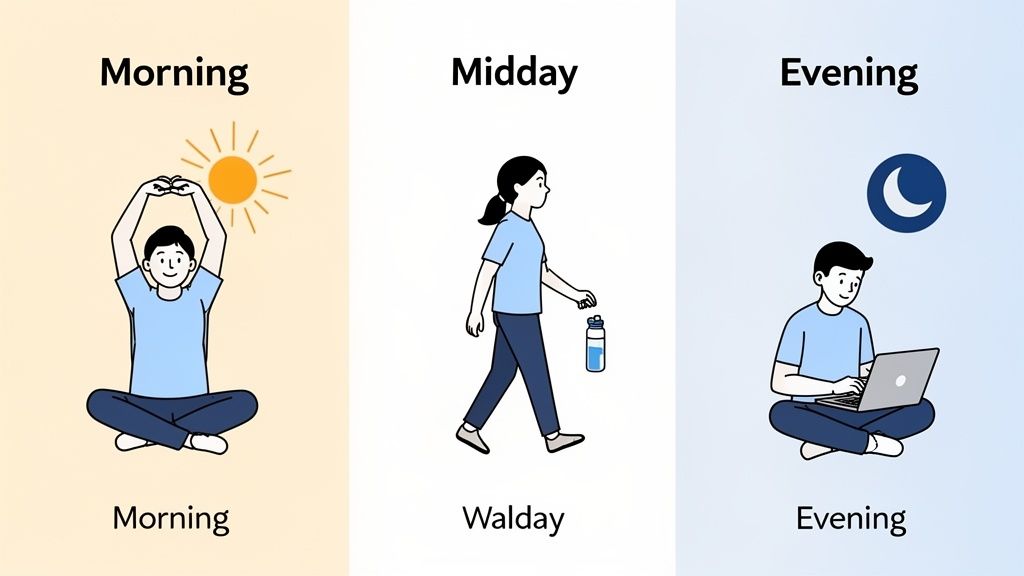
If someone genuinely wants to how to boost metabolism in a way that actually holds up over time, the approach ends up looking fairly straightforward even if it is not fast.
Resistance training consistently, a few times per week, with the intention of building and preserving muscle. Eating enough protein. Moving more throughout the day without treating the gym session as a pass to sit for the remaining sixteen hours. Sleeping enough. Managing stress where possible. Eating at a level that supports your activity without chronically undershooting it.
None of these are revelatory. They are also not the things most metabolism content talks about because they take time and do not have a product attached to them.
The research on metabolism is fairly settled in this regard. The things that work are the foundational things. The things that are marketed as shortcuts have either no effect or an effect too small to matter without everything else already in place.
A Note on Thyroid and Medical Causes
There are cases where a genuinely slower than normal metabolic rate is caused by something medical, most commonly a thyroid condition. If someone has been doing most of the foundational things consistently for a long time and truly cannot understand why their body composition or weight is not responding at all, talking to a doctor and getting bloodwork done is a reasonable step. It is not where most people need to start, but it is worth mentioning.
Closing
Metabolism is one of those topics that has been buried under so much marketing noise that the honest version of it feels almost anticlimactic. The body is not as hackable as the supplement industry wants people to believe, but it is also not as fixed as people sometimes assume when they feel stuck.
The range of metabolic rates that most healthy people can operate within is genuinely influenced by how much muscle they carry, how much they move, how well they sleep, and how consistently they eat in a way that supports their body rather than stressing it. Those are not exciting levers, but they are real ones.
Chasing something faster rarely gets people further ahead. Understanding what actually moves the needle tends to.