
 By
By TLDR
A beginner leg day workout does not need to be complicated to work. What matters is choosing a small number of movements that train your legs through a full range of motion and repeating them consistently over time. Most evidence points toward simple compound exercises doing the heavy lifting when it comes to strength and muscle gain. Form matters more than weight, especially early on, because your body is still learning how to move. Progress is usually slower than expected, and that can feel frustrating, but it is also normal. If you stay consistent with a basic structure, your legs will respond.
Why Leg Training Matters More Than You Think
Leg training tends to get treated as something optional, especially by beginners who are more focused on upper body changes. That usually comes from how visible those changes are. Arms and chest are easier to notice in the mirror. Legs take longer to appreciate because the feedback is less immediate.
But your legs are not just another muscle group. They are the foundation for almost everything you do physically. Walking, climbing stairs, carrying groceries, even standing for long periods all depend on leg strength. When your legs get stronger, daily movement starts to feel easier in a way that is hard to describe until you experience it.
There is also a broader effect. Training large muscle groups like your quads and glutes places a higher demand on your body. Research tends to show that this kind of training contributes more to overall strength development compared to focusing only on smaller muscles. It is similar to upgrading the engine of a car instead of just polishing the exterior. The changes are not always visible immediately, but they affect everything else.
For beginners especially, leg training builds coordination. You are not just strengthening muscles, you are teaching your body how to move efficiently. That takes time, and it often feels awkward at first. That awkward phase is part of the process, not a sign that something is wrong.
What a Beginner Leg Day Should Actually Look Like
There is a tendency to overcomplicate workouts early on. Too many exercises, too many variations, too much focus on doing everything perfectly. Most evidence points toward a simpler approach being more effective, especially in the beginning.
A good beginner leg day usually includes a mix of movements that cover a few basic patterns. You want something that bends at the hips, something that bends at the knees, and something that challenges balance or stability. That is enough to train your legs in a well rounded way.
You also do not need a long list of exercises. Repeating the same movements week after week is what allows progress to happen. Your body adapts to what it does regularly, not what it does occasionally.
The goal is not to feel destroyed after a workout. It is to do enough work that your body has a reason to adapt, then recover so it actually can.
The 7 Exercises
Below is a simple beginner leg day workout. The exercises are arranged in a way that makes sense for most people, starting with larger movements and moving toward more controlled ones. The sets and reps are a starting point, not something rigid.
1. Squats
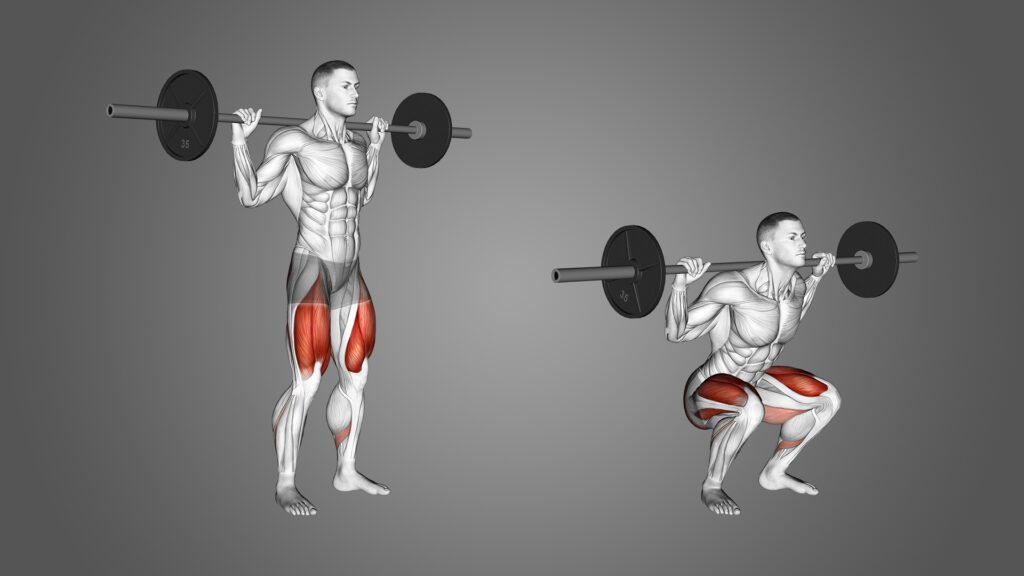
Sets 3
Reps 8 to 12
Squats are one of the most useful movements you can learn. They train your quads, glutes, and core at the same time. Think of it like sitting down on a chair that is slightly behind you.
Keep your chest steady and your weight balanced through your whole foot. Your knees will naturally move forward a bit and that is fine. What matters is that you stay controlled on the way down and avoid collapsing inward at the knees.
At first, bodyweight squats are enough. If those feel easy over time, you can add weight gradually.
2. Romanian Deadlifts
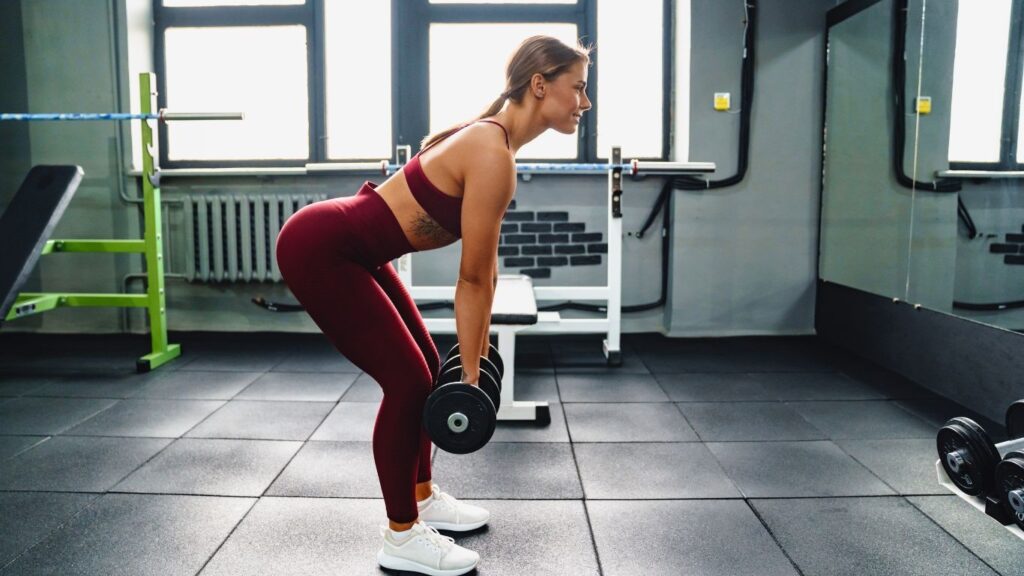
Sets 3
Reps 8 to 10
This movement focuses more on the back of your legs, especially your hamstrings and glutes. It also teaches you how to hinge at the hips, which is a pattern many beginners struggle with.
The key idea is pushing your hips back while keeping your back neutral. Imagine trying to close a door behind you using your hips. The weight should stay close to your legs as you lower it.
You should feel a stretch in your hamstrings rather than strain in your lower back. If your back is doing most of the work, something is off with your form.
3. Lunges
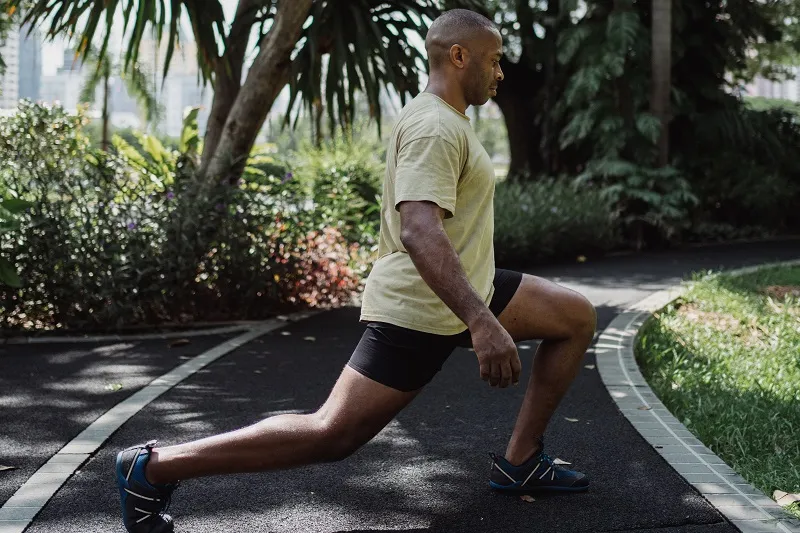
Sets 3
Reps 8 to 10 per leg
Lunges add an element of balance that squats do not fully cover. They also train each leg individually, which helps address strength differences.
Step forward and lower yourself until both knees are bent. Your front foot should stay flat, and your back knee should move toward the floor without slamming into it.
It is normal to feel unstable at first. That is part of what makes lunges useful. Over time, your body becomes more comfortable with the movement.
4. Leg Press
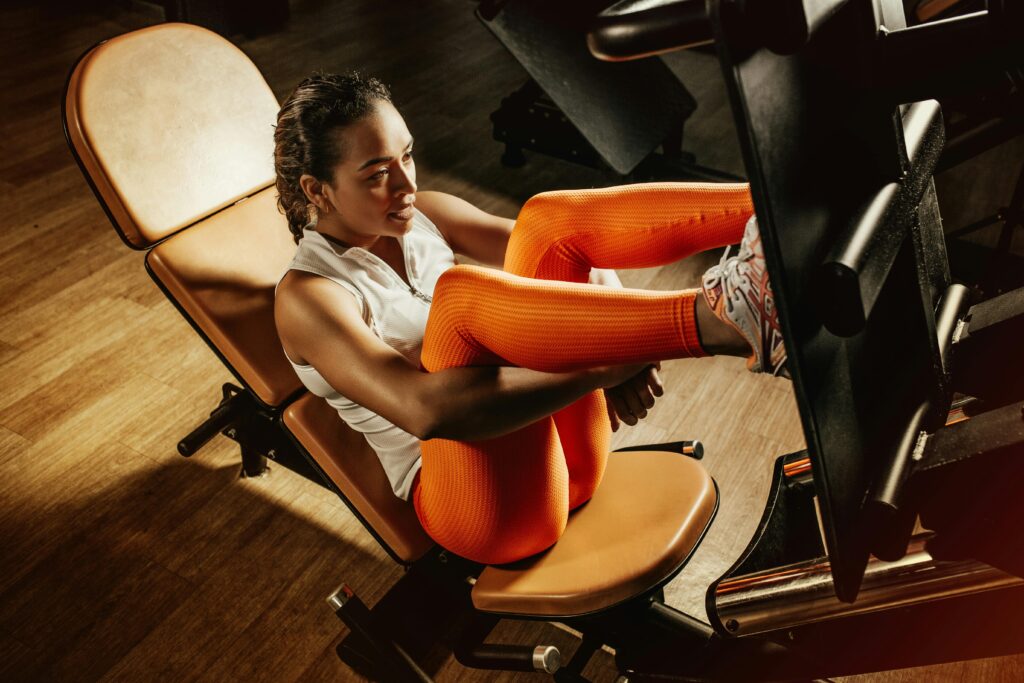
Sets 3
Reps 10 to 12
If you have access to a machine, the leg press can be a helpful addition. It allows you to focus on pushing weight with your legs without worrying too much about balance.
Place your feet at a comfortable width and lower the platform under control. Do not rush the movement. The goal is to feel your legs working, not to move as much weight as possible.
Avoid locking your knees at the top. Keep a slight bend to maintain tension.
5. Glute Bridges
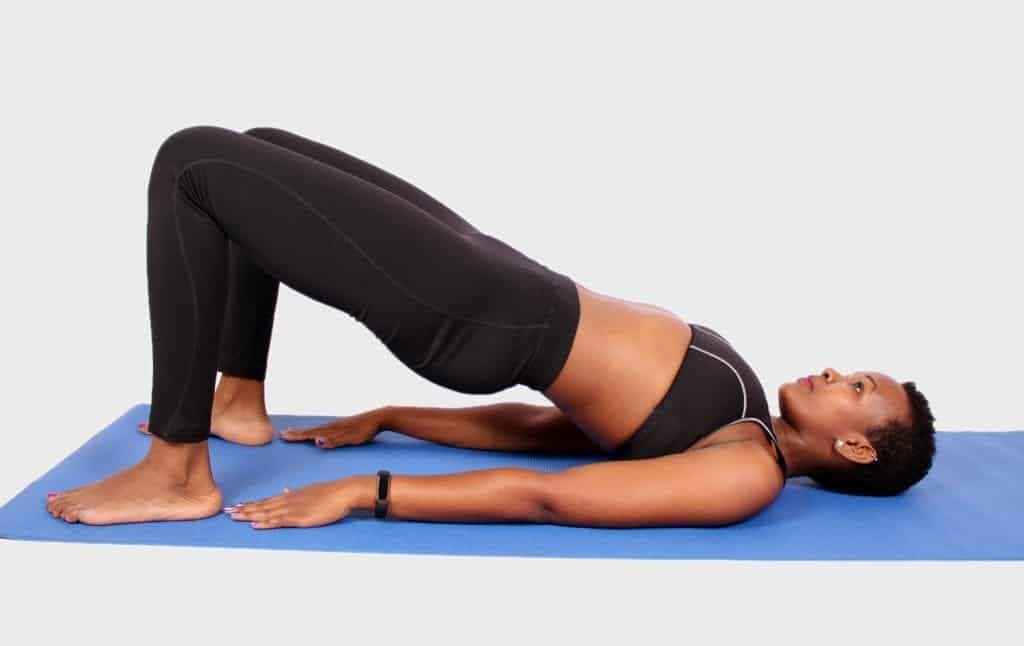
Sets 3
Reps 10 to 15
This exercise targets your glutes in a more isolated way. It is simple, but that does not mean it is easy when done properly.
Lie on your back with your feet planted and lift your hips by squeezing your glutes. The movement should come from your hips, not your lower back.
At the top, pause briefly and focus on that contraction. Then lower yourself slowly.
6. Leg Curls
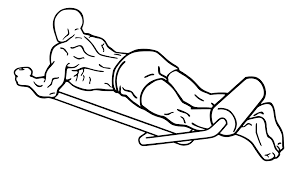
Sets 2 to 3
Reps 10 to 12
Leg curls train your hamstrings directly. They complement movements like squats and lunges, which do not always fully challenge that muscle group.
Use a controlled tempo. Avoid swinging or using momentum to complete the reps. The goal is to feel your hamstrings doing the work throughout the movement.
7. Calf Raises
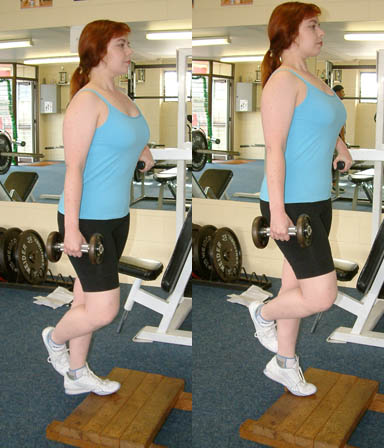
Sets 3
Reps 12 to 15
Calves are often overlooked, but they play a role in stability and everyday movement.
Raise your heels slowly and lower them with control. A full range of motion matters here. If you rush through the reps, the exercise loses its effect.
You might not feel much at first, especially if your calves are used to daily activity. Over time, the difference becomes more noticeable.
Common Mistakes Beginners Make on Leg Day
One of the most common issues is rushing through exercises. There is a tendency to focus on finishing the workout rather than doing each movement properly. That usually leads to poor form, which limits progress and increases the chance of discomfort.
Another mistake is using too much weight too soon. It is understandable. Adding weight feels like progress. But if your form breaks down, that weight is not helping you in the way you think it is. Your body ends up compensating instead of adapting.
Skipping warm up is another pattern that shows up often. You do not need anything complicated. A few minutes of light movement and a couple of easier sets before your main lifts is enough to prepare your body.
There is also the expectation that soreness equals effectiveness. Most evidence points toward soreness being an unreliable indicator. You can have a good workout without feeling sore, and you can feel sore from a workout that was not particularly productive.
Finally, inconsistency is the quiet issue behind a lot of frustration. It is not always about doing something wrong. Sometimes it is about not doing something long enough for it to work.
How to Progress Without Overthinking It
Progress in leg training is usually gradual. You might add a small amount of weight, or you might do one or two more reps than last time. Sometimes the progress is just that the movement feels more stable.
Think of it like learning a skill rather than completing a task. Each session builds on the previous one, even if it does not feel obvious.
If something feels off, adjust slightly rather than abandoning the movement completely. Small changes in stance or tempo can make a big difference.
If you have any ongoing pain or injuries, it is worth speaking to a qualified professional once rather than trying to work around it blindly.
A More Realistic Way to Look at Leg Training
Leg day has a reputation for being something people either love or avoid. For beginners, it is usually neither. It is just unfamiliar.
There will be days where the movements feel awkward and the weights feel heavier than they should. That does not mean you are doing something wrong. It usually means your body is still learning.
Over time, that unfamiliar feeling starts to fade. The movements become more natural. The effort is still there, but it feels more controlled.
That shift is subtle. You do not always notice it happening. But it is there, and it is part of how progress actually looks in practice.
And that is usually where things start to make more sense. Not in a dramatic way, but in a quiet, steady one.