
 By
By TL;DR
If you want a flat stomach, you have a fat loss problem not a core training problem. No amount of crunches will change that. Your body decides where it pulls fat from, and the stomach is usually last on that list. The real levers are a calorie deficit, enough protein, and time more time than you probably want to hear. Most of what gets marketed as a shortcut just isn’t.
This Isn’t a Muscle Problem

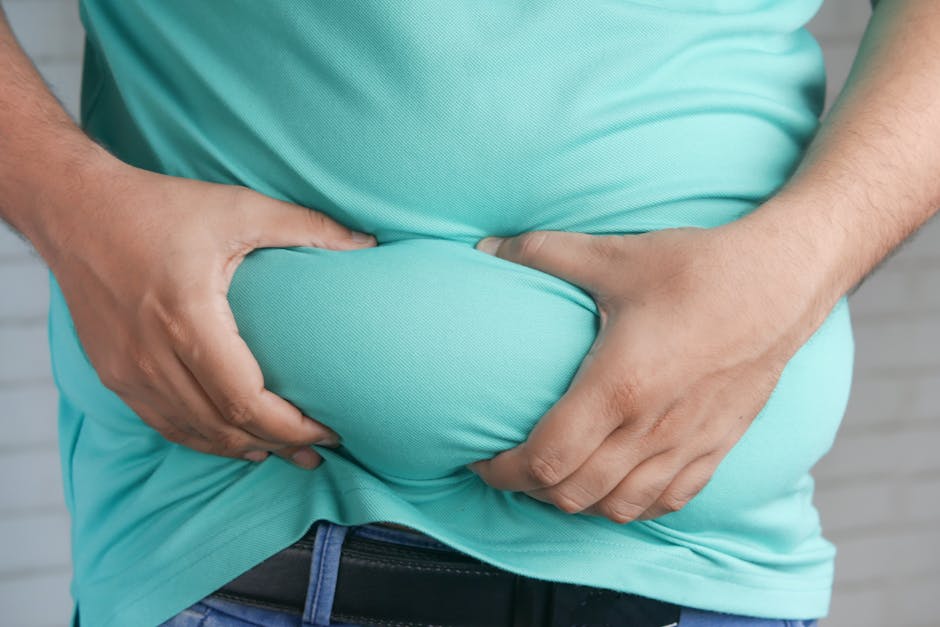
Here’s the thing I want to get out of the way first: if you’re doing ab workouts trying to flatten your stomach, you’re solving the wrong problem. The stomach isn’t mostly muscle. It’s mostly fat storage. And your body has its own logic for how it manages that storage logic that has nothing to do with how many crunches you did this week.
The fat sitting around your midsection is called subcutaneous fat. It’s stable, it’s stubborn, and your body treats it like savings it doesn’t want to touch. When you eat in a calorie deficit, your body does start burning fat but it pulls from all over, not just the area you’re working. And for most people, the stomach and lower abdomen are the last places it draws from. So you can lose ten pounds and feel like your midsection hasn’t budged. That’s not you failing. That’s just how the body prioritizes its reserves.
Genetics and hormones play into this too. Some people carry fat in their midsection more than others. Some people lose it from there faster. You don’t get to pick which type you are.
Ab Training Isn’t Useless It’s Just Misunderstood
I’m not telling you to skip ab work. I’m telling you what it actually does and doesn’t do.
The idea that you can burn the fat over a muscle by training that muscle spot reduction doesn’t hold up. Research on this is pretty consistent. Working your abs doesn’t preferentially melt fat from your stomach. Fat loss is systemic. Your body decides where to pull from, and targeted exercise doesn’t override that.
What ab training does do is build the muscle underneath. When the fat layer eventually reduces, that underlying structure is what creates definition. So it’s worth doing just not as a fat loss strategy. As a body composition strategy, once fat loss is actually happening, yes. As a substitute for the harder work of eating in a deficit, no.
Also worth knowing: a lot of what makes a stomach look the way it does has nothing to do with fat or muscle. Bloating, posture, the shape of your ribcage, the tilt of your pelvis none of that gets trained away. Some people sit at genuinely low body fat and still don’t have the flat stomach they imagined. That’s worth knowing before you build an expectation you might not be able to meet regardless of what you do.
So How Do You Actually Get a Flat Stomach?
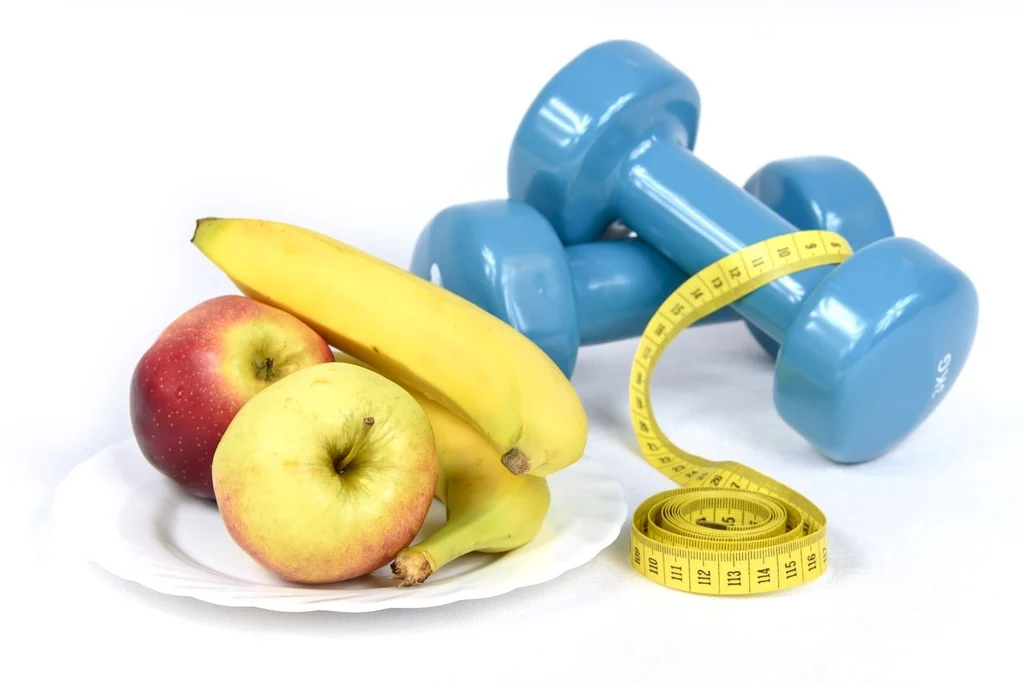
You lose fat. And you lose fat by eating in a calorie deficit consistently enough that your body starts pulling from its stored reserves. That’s the whole mechanism. There’s no cleaner way to say it.
Protein matters more than most people give it credit for here. When you’re eating in a deficit, your body doesn’t just lose fat it loses muscle too, unless you give it a reason not to. Higher protein intake helps preserve muscle during a cut, which matters because muscle is metabolically active. It affects how your body uses energy. People who lose weight on low protein often end up lighter but softer less fat, but also less muscle, so the visible change is smaller than expected. Most research points to somewhere around 0.7 to 1 gram of protein per pound of bodyweight as a reasonable target.
And resistance training I mean actual compound lifting, not just ab circuits helps more than most cardio only approaches. Squats, deadlifts, rows, presses. These movements build muscle and burn energy at the same time, and muscle tissue costs more energy to maintain than fat does. You don’t have to become a powerlifter. But if you’re only doing cardio and wondering why progress is slow, this is probably part of the answer.
Stress and Sleep Actually Matter Here

This part gets skipped a lot, so I want to be direct about it: chronic stress and poor sleep specifically affect abdominal fat. Not just fat in general the midsection in particular.
The reason is cortisol. When you’re chronically stressed or consistently under sleeping, cortisol stays elevated. And elevated cortisol has a documented relationship with fat retention around the abdomen. It also drives appetite in ways that make staying in a deficit harder. So you can be doing everything else right and still be fighting this headwind without realizing it.
Sleep in the seven to nine hour range isn’t a wellness luxury. It affects your hunger hormones, your food decisions, your training recovery, and your ability to stick to anything consistently. If you’re sleeping five hours a night and wondering why fat loss feels impossible, sleep is a real variable not just background noise.
It Takes Longer Than You Think
The stomach is the last to change. I think this is the piece that breaks most people’s consistency more than anything else.
You start eating better, training consistently, and at two weeks you check your midsection and it looks exactly the same. So you assume the approach isn’t working. You switch things up, add more ab exercises, try a cleanse, assume your metabolism is somehow broken. But in most cases, nothing is broken. The body just changes slowly, and the stomach changes slowest of all.
Visible changes in body composition especially around the lower abdomen can realistically take months of consistent effort to show up. Measurements fluctuate week to week based on water retention and food volume. The scale isn’t a precise instrument. Progress is happening before it’s visible. The problem is that the period when nothing seems to be happening is exactly when most people quit.
The Stuff That Doesn’t Work
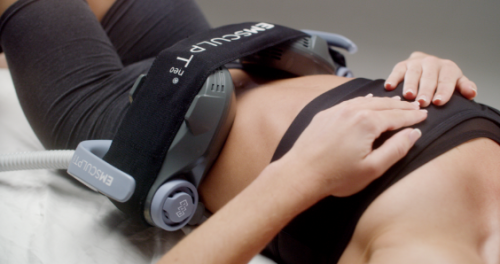
Fat burners, detox teas, waist trainers, foods marketed as stomach flattening I’ll keep this short. There’s almost no credible evidence that any of it produces meaningful fat loss. They sell because people want something targeted and fast, and the marketing is built around that want.
A waist trainer compresses. It doesn’t reduce. A detox tea is mostly a laxative. It affects water weight, not fat. Fat burning supplements are largely unregulated, and the ones with any effect at all tend to work via stimulants and appetite suppression which is just a roundabout, harder on your body version of eating less.
Extreme calorie restriction is also worth flagging. Dropping calories very low very fast does produce quick weight loss but a lot of it is muscle and water. The body adapts to low intake and the losses slow down. You end up eating almost nothing and feeling like nothing’s happening because, metabolically, your body has adjusted. A moderate, sustained deficit works better over time than an aggressive short one. Less dramatic, more effective.
Closing
A flat stomach comes down to fat loss, and fat loss comes down to variables most people already know but don’t want to sit with: a moderate calorie deficit, enough protein, resistance training, sleep, and time. More time than the marketing around this topic will ever tell you.
Some of it is in your control. Some of it where your body stores fat, in what order it releases it isn’t. Knowing the difference saves you from chasing solutions to problems you can’t actually solve that way.
The stomach tends to be the last thing to change. That’s not a sign something is wrong. It’s just the order in which things happen.