
 By
By TL;DR
The best foods for weight loss are not magic foods they are foods that help you eat less without feeling deprived. Protein, fiber, and water content are the three factors that most reliably affect how full you feel after eating. No single food will cause fat loss; what matters is the pattern across your day. A common reason people struggle is not that they ate the wrong foods it is that the foods they chose left them hungry two hours later. This article explains why certain foods work better than others, and how to use that knowledge practically.
Why “Best Foods for Weight Loss” Is the Wrong Frame and the Right One
There is a version of this question that leads nowhere useful. It sounds like: which foods burn fat or what should I eat to lose weight fast. That version implies there is a shortlist of foods with special metabolic properties that, if you just add them to your diet, will melt things off. That is not how it works, and any article that tells you otherwise is mostly selling something.
But there is a version of this question that is genuinely useful. It sounds like: which foods make it easier to stay in a calorie deficit without feeling awful? Because that is actually the core problem. Fat loss requires eating less than you burn over time. The reason most people struggle with this is not a lack of willpower it is that the foods they are eating are not doing much to keep them full, so they end up hungry, overeating, and feeling like they failed.
The best foods for weight loss, then, are the ones that give your body the most satiety that feeling of being satisfied and not wanting more per calorie. Some foods do this very well. Others barely register. Understanding the difference changes how you approach eating, without turning every meal into a math problem.
Protein: The Most Important Variable in Your Diet
If there is one thing that consistently shows up across nutrition research as useful for weight loss, it is protein intake. Not because protein has magical fat-burning properties, but because it is generally the most satiating macronutrient for most people. Gram for gram, protein tends to keep you fuller for longer than carbohydrates or fat though individual responses do vary.
There is also what is called the thermic effect of food the number of calories your body uses just to digest what you have eaten. Protein has a higher thermic effect than the other macronutrients, meaning your body spends more energy processing it. In absolute terms, this is a relatively small contribution compared to overall calorie intake, but it is a real effect and adds up over time as part of the broader picture.
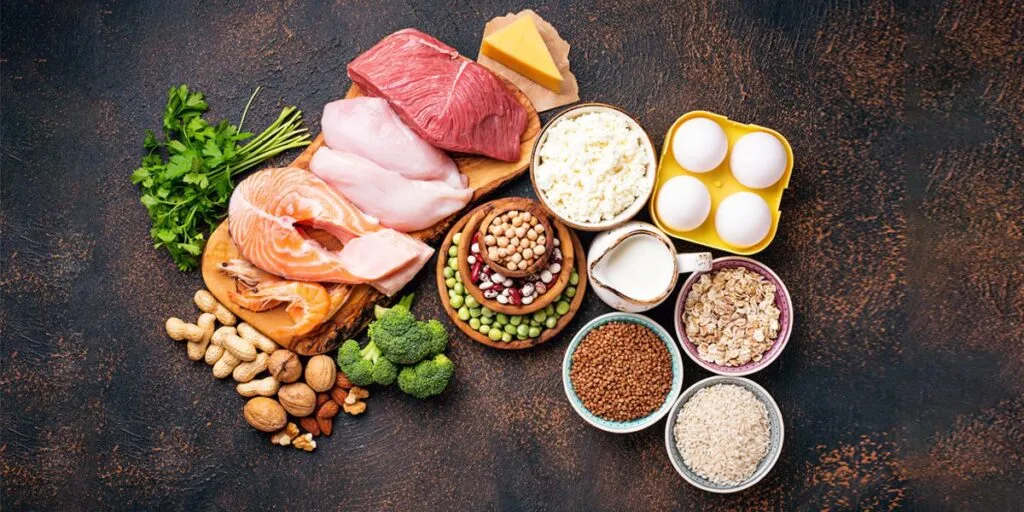
Practically speaking: eggs, chicken breast, lean beef, fish, Greek yogurt, cottage cheese, lentils, and beans are all highprotein foods that belong in most people’s regular rotation if weight loss is the goal. The specific source matters less than getting enough of it consistently. Research tends to suggest that somewhere between 1.6 and 2.2 grams of protein per kilogram of body weight is a useful target for people trying to lose fat while preserving muscle though even just increasing protein from where most people start is a meaningful improvement.
What highprotein eating does in practice is reduce how often you feel compelled to snack, reduce the size of meals you want later in the day, and make it easier to stay in a calorie deficit without it feeling like punishment.
Fiber-Rich Foods and Why Volume Matters More Than You Think
The second major lever is fiber. Foods high in dietary fiber take longer to digest, slow down the absorption of sugar into the bloodstream, and physically take up space in your stomach. That last part sounds almost too simple, but it matters more than people give it credit for.
Volume eating building meals around foods that are high in volume relative to their calorie content is one of the more effective approaches for many people who want to eat less without feeling like they are eating less. Vegetables are the clearest example. A large bowl of leafy greens, cucumbers, tomatoes, and peppers contains very few calories but fills a significant amount of physical space. Your stomach stretches, your body tends to register fullness signals, and the meal feels substantial even if the calorie count is modest. That said, satiety is shaped by more than just physical volume hormonal responses, eating pace, and even context all play a role, so this works better for some people than others.
Legumes lentils, chickpeas, black beans combine the benefits of both fiber and protein, which makes them particularly useful. They are also inexpensive, which is not a trivial consideration. Oats are another consistent performer here: the betaglucan fiber in oats has reasonably good evidence behind it for increasing satiety and slowing digestion. Fruits like apples and pears, eaten whole rather than juiced, deliver fiber along with natural sweetness in a package that is harder to overconsume than processed alternatives.
The pattern to notice is that many highly processed foods tend to have less fiber. White bread, packaged snacks, most breakfast cereals these digest relatively quickly and can lead to quicker rises and drops in blood sugar for some people, which may contribute to feeling hungry sooner than less processed versions of similar foods. Replacing them with their higherfiber counterparts does not require a complete diet overhaul; it just requires awareness of what you are choosing.
The Role of Water Content in What You Eat
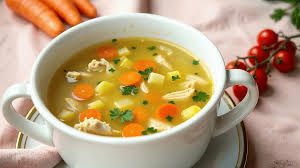
This one is underrated. Foods with high water content cucumbers, tomatoes, zucchini, soups, brothbased stews, watermelon, berries add weight and volume to your stomach without adding many calories. Satiety is not purely a mechanical process, but physical fullness is one of the signals that contributes to it, and eating foods with more water in them can genuinely reduce how much you eat overall for many people.
Soup is probably the most studied example of this. Research generally shows that eating a brothbased soup before a meal reduces how much people eat at that meal more so than drinking the same amount of water separately. Something about the food matrix, the act of eating and swallowing rather than just drinking, seems to register differently in terms of satiety signals.
This does not mean you should eat soup before every meal. It means the broader principle prioritizing foods that are dense with water, fiber, and protein rather than foods that are dense with calories but light on everything else makes the experience of eating fewer calories considerably more manageable.
What the Best Foods for Weight Loss Actually Look Like in Practice
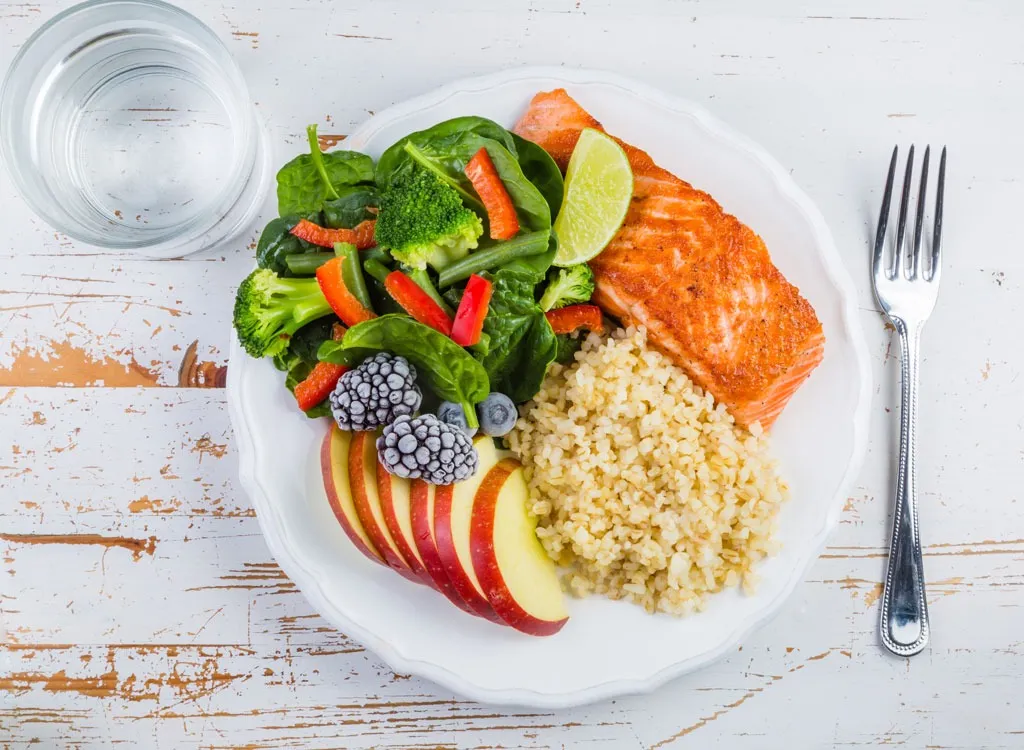
Bringing all of this together, the best foods for weight loss are those that score well on multiple fronts simultaneously. Eggs are high in protein and moderately filling. Greek yogurt, particularly the plain unsweetened kind, is high in protein and low in calories. Salmon and other fatty fish provide protein along with fats that tend to be more satiating than highly processed fat sources for many people. Lentils and legumes provide protein, fiber, and volume. Nonstarchy vegetables provide fiber, water, and volume for almost no caloric cost. Whole fruits provide fiber, sweetness, and water. Oats provide fiber and digest slowly enough to sustain satiety for hours.
None of these are surprising. Most people already know, at some level, that these are reasonable foods to eat. The reason it helps to understand the mechanism behind them is that it makes the choices feel less arbitrary. When you understand that you are choosing eggs over a croissant because eggs will keep you full until lunch and the croissant probably will not, it is easier to make that choice consistently not because you are following a rule, but because you understand what you are actually doing.
The other practical point: none of this requires eating the same six foods forever or giving up everything you enjoy. The people who tend to do well with this over the long term are not the ones with the strictest rules they are the ones who have built enough familiarity with these patterns that applying them does not require much effort or thought.
What to Do With Foods That Are Not on the List

It is worth saying plainly: there are no foods that must be permanently eliminated for weight loss to work. The concept of “bad” foods is not particularly useful here. What matters is the overall pattern, not any individual food item.
If you eat well most of the time meaning most of your eating is built around protein, fiberrich foods, and foods with high water content then what you eat the rest of the time matters much less. The problem most people have is not that they occasionally eat chips or dessert. It is that their baseline diet is mostly composed of foods that do not support satiety, so they are consistently hungry, consistently overeating, and not sure why things are not working.
Adjusting the baseline is where the leverage is. Getting that right does not require perfection it requires enough consistency that the pattern holds across the week, not just the meal.
The Honest Expectation
Food choices matter. They matter because they affect how hungry you are, how much you eat, how you feel, and how sustainable the whole thing is. Getting better at choosing foods that support satiety is one of the more durable changes you can make to your diet because it does not depend on willpower it works by changing the actual conditions you are operating under.
But food choice is one variable. How much you are eating still matters. How you are sleeping still matters. How stressed you are still matters. Eating nothing but chicken breast and broccoli in a massive calorie surplus will not produce fat loss, and eating a varied, relatively normal diet in a modest calorie deficit will. The best foods for weight loss are the ones that make the deficit easier to sustain not the ones that somehow bypass the need for one.
That distinction is worth sitting with. Because once you understand that the goal is to make the process more manageable rather than to find some magical combination of foods, the whole thing becomes a lot less stressful.