
 By
By TL;DR
An anxiety attack is your body’s threat response going off when there’s no actual threat which is what makes it so disorienting. The physical symptoms are real, even when the danger isn’t. Understanding what’s happening in your body during one can make the experience feel slightly less terrifying. There are a handful of things that genuinely help in the moment, and a few that seem like they’d help but actually make it worse. If anxiety attacks are happening regularly, that’s worth looking into properly not just managing each one as it comes.
What Is Actually Happening When an Anxiety Attack Hits
When an anxiety attack comes on, the first thing most people try to do is figure out why. That instinct makes sense if something is going wrong, you want to know the cause. But in the middle of an attack, that search for a reason tends to backfire. Your brain is already in threatdetection mode, and hunting for an explanation just gives it more material to work with.
What’s happening under the surface is fairly well understood. Your nervous system specifically the part that handles the fight or flight response fires up as if there’s a real danger nearby. Adrenaline gets released. Your heart rate goes up. Your breathing gets shallow. Blood flow shifts away from things like digestion and toward your muscles. Your body is preparing to run from something or fight it. The problem is, there’s nothing to run from. So all that physiological activation has nowhere to go.
That’s why anxiety attacks produce such a strange collection of symptoms. The racing heart, the chest tightness, the tingling in the hands or face, the feeling of being detached from yourself these aren’t signs that something is medically wrong with you. They’re signs that your body is doing exactly what it’s designed to do, just in a context where it isn’t needed. That doesn’t make the experience any less intense. But understanding that mechanism matters, because when you know what you’re dealing with, you stop layering a second fear on top of the first one.
The Mistake That Makes It Worse

One of the most common things people do during an anxiety attack is try to fight their way out of it. Mentally arguing with the symptoms. Telling yourself to calm down. Monitoring your heart rate every few seconds to check if it’s gotten worse. Googling your symptoms midattack. All of this feels productive in the moment, because sitting still inside the experience feels unbearable.
But here’s what actually happens when you do that you add more activation to a system that is already running hot. Each checkin, each internal alarm, each attempt to control the uncontrollable sends your nervous system another signal that something is genuinely wrong. And your body believes it. It ramps up accordingly.
The counterintuitive truth about how to deal with anxiety attacks is that resistance tends to extend them, while acceptance not liking what’s happening, just stopping the fight against it tends to shorten them. An anxiety attack on its own, if you don’t add fuel, usually peaks within a few minutes and then starts to ease. Most people don’t experience that natural arc because they spend the entire time fighting it, which restarts the loop.
This isn’t a mindset shift you can make in theory and then apply perfectly under pressure. It takes practice. But even knowing that fighting is counterproductive is useful because next time, there’s at least a moment where you can catch yourself midbattle and choose to stop adding to it.
What Actually Helps in the Moment
There are a few things that have solid grounding in how the nervous system works, and they’re worth knowing before an attack happens not during, when your brain is already overwhelmed.
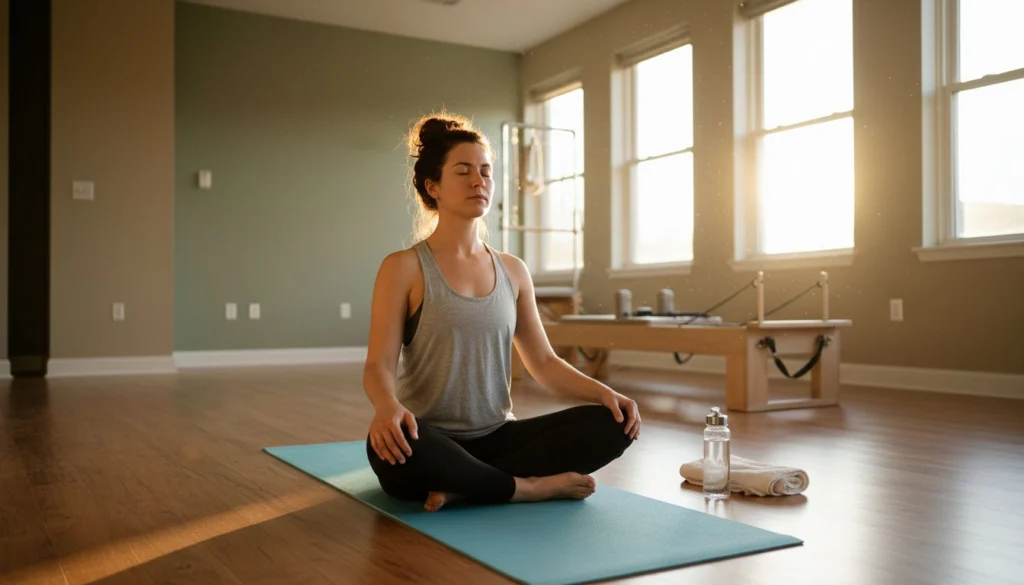
Controlled breathing done correctly. This is genuinely useful, but the way most people do it isn’t. Breathing slowly into a paper bag, or taking huge deep breaths, can sometimes make things worse by messing with your CO2 balance. What works better is extending the exhale. Breathe in for around four counts, hold briefly, and breathe out for six to eight counts. The longer exhale activates the parasympathetic nervous system the part that puts the brakes on the fight or flight response. It doesn’t stop the attack instantly, but it creates a physiological shift that starts moving you in the right direction.
Grounding your attention in something physical. Anxiety attacks pull your attention inward into symptoms, into catastrophic thoughts, into the question of whether something is seriously wrong. One way to interrupt that loop is to point your attention outward, deliberately. Notice five things you can see. Press your feet into the floor. Hold something cold. Feel the texture of whatever surface is near you. This works not because it’s a distraction trick, but because it brings your nervous system into contact with presentmoment reality which is usually calm rather than leaving it alone with whatever it’s catastrophizing about.
Letting it peak. This sounds like the worst advice, but it’s worth sitting with. The peak of an anxiety attack is finite. Your body cannot sustain maximum fight or flight activation indefinitely it’s physiologically expensive. If you let the wave rise without fighting it, it will break on its own. People who have worked through anxiety attacks over time usually describe this as the most significant shift in how they experience them. Not because it stops being uncomfortable, but because it stops being terrifying. You’ve been through it before. You know how it ends.
How to Deal With Anxiety Attacks When They Happen Often
There’s a difference between having had an anxiety attack and having anxiety attacks regularly. The latter is a pattern worth paying attention to, not just managing symptom by symptom.
If attacks are happening more than occasionally, it’s worth thinking about whether there’s a broader context that keeps triggering them sustained stress, poor sleep, high caffeine intake, avoidance of situations that make you anxious. Avoidance in particular is sneaky. It feels like relief in the short term because it removes the uncomfortable situation. But it tends to confirm to your nervous system that the thing you avoided was genuinely dangerous, which makes the anxiety worse over time, not better.
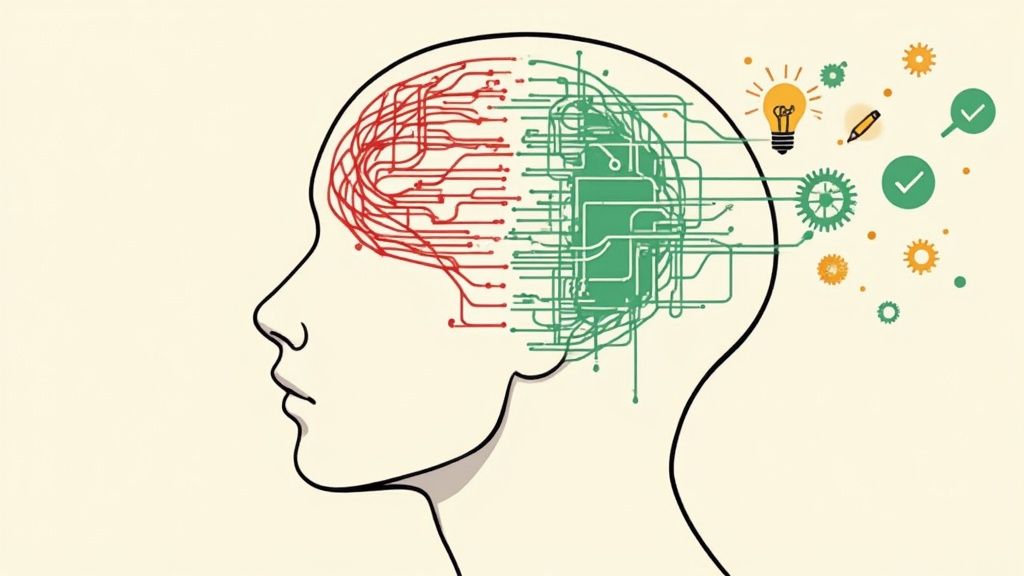
Some people find that understanding the cognitive patterns underneath their anxiety the tendency to overestimate threat, underestimate their ability to cope, seek certainty that doesn’t exist makes a real difference. That’s not something you can think your way out of in a week, but it’s the kind of work that changes the baseline, not just the individual attacks.
If this is a recurring thing in your life, talking to a therapist specifically one who works with anxiety is worth considering. Not because it’s a crisis, but because there are structured approaches that have a genuinely strong track record, and you don’t have to figure it out alone from articles.
The Part Nobody Really Talks About
Anxiety attacks leave a residue. After one, there’s often a kind of exhaustion emotional and physical that can last for hours. There’s sometimes embarrassment, especially if it happened in front of others. And there’s almost always a version of anticipatory anxiety the worry about when the next one will come, which itself becomes a lowlevel trigger.
That anticipatory loop is worth naming because it’s where a lot of the real suffering lives not in the attack itself, but in the dread of it. Learning how to deal with anxiety attacks isn’t just about managing the acute moment. It’s also about slowly reducing the fear of the fear.
That’s a slower project. But it’s the one that actually changes things.
Anxiety attacks are one of those experiences that feel, while they’re happening, like they say something definitive about your mental state. They usually don’t. They’re a physiological response with a beginning, a middle, and an end and the more you understand that, the less power they tend to hold over you between occurrences.