
 By
By TL;DR
Depression is not just sadness. The symptoms of depression are wide-ranging and often show up in ways that feel more like numbness, exhaustion, or irritability than actual grief. A lot of people go months without recognising what they’re experiencing because it doesn’t match the picture in their head. Understanding what depression actually looks like physically, emotionally, and behaviourally is one of the more useful things you can do, both for yourself and for the people around you. This isn’t a diagnostic checklist. It’s a clearer picture of what’s actually happening.
When It Doesn’t Look Like What You Expected
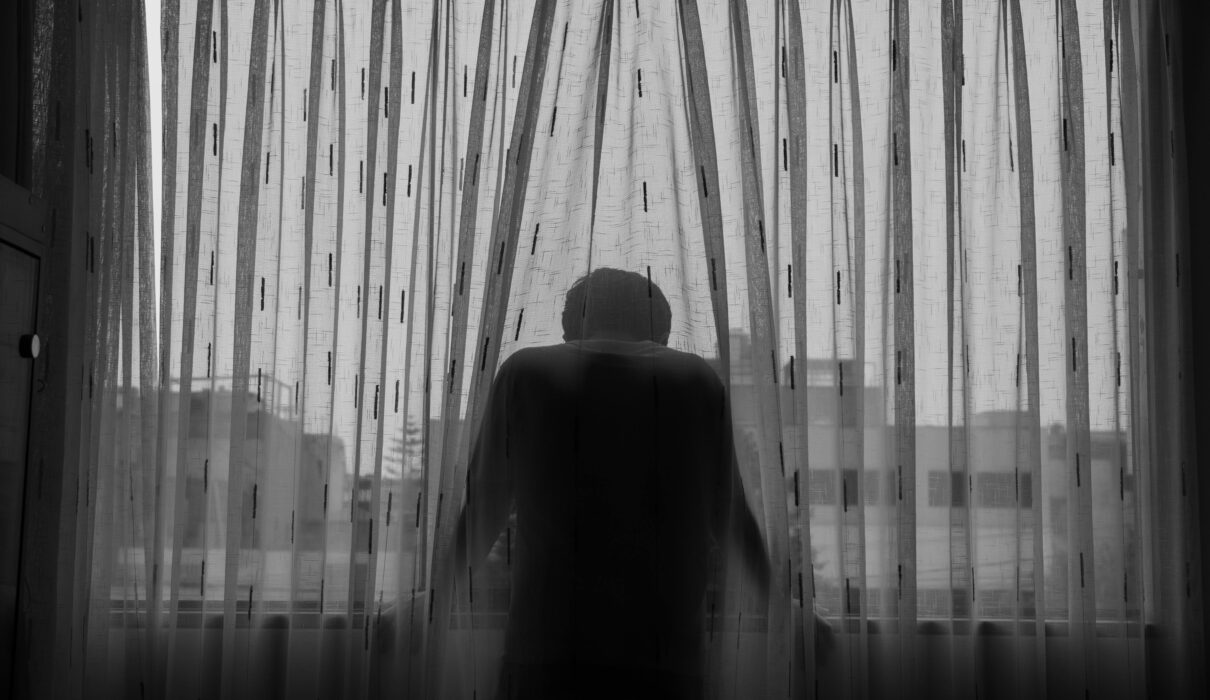
Most people carry around a mental image of what depression looks like. Someone who can barely get out of bed, crying constantly, unable to function at all. That version exists. But it’s only one version, and a lot of people spend a long time dismissing what they’re feeling because it doesn’t match that picture.
The symptoms of depression are far more varied than the popular image suggests. Some people with depression are highly functional on the outside, going to work, keeping up appearances, holding conversations, while feeling completely hollow on the inside. Some people feel more angry than sad. Some stop feeling much of anything. Some sleep for twelve hours and still wake up exhausted. Some can’t sleep at all.
What makes this harder to navigate is that there’s no single version of depression that everyone experiences. The condition has consistent patterns, but it wears different faces depending on the person, the severity, and sometimes even the time of day. This isn’t a reason to doubt yourself. It’s a reason to look more carefully at what’s actually happening rather than waiting for the version you were expecting.
The Emotional Side: More Than Just Sadness

Sadness is probably the most associated feeling with depression, but it’s often not even the loudest one. Many people describe a deep flatness, a kind of emotional grey that sits over everything. Things that used to feel interesting stop feeling interesting. Things that used to bring pleasure feel neutral or even irritating. This is called anhedonia, and it’s one of the more telling symptoms of depression. It’s not dramatic. It just quietly empties out the parts of your life that used to feel worth something.
Hopelessness is another thread that runs through depression in a way that’s different from ordinary pessimism. It’s not just “things are bad right now.” It’s a settled, quiet certainty that things won’t get better. That feeling tends to colour every decision, every future plan, every small thought about what tomorrow might look like.
Irritability is one of the least-talked-about emotional symptoms, and it tends to catch people off guard. If you’ve noticed that you’re snapping more, that small things feel unreasonably aggravating, that your patience has basically evaporated, that can absolutely be part of depression. It’s especially common in men and younger people, who are sometimes less likely to identify sadness as the primary feeling but can clearly see that something is off in how they’re reacting to the world.
The Physical Symptoms Most People Don’t Connect

This is where a lot of people get lost. Depression is not just a mood state. It affects the body in concrete, measurable ways, and many of the physical symptoms of depression go unrecognised because people don’t think of them as connected.
Fatigue is one of the most common. Not the kind of tired that a good night’s sleep fixes, the kind that’s there regardless of how much rest you get. Your body feels heavier than it should. Movement requires more effort. This isn’t laziness. It has to do with the way depression affects neurological and hormonal functioning.
Sleep disruption is almost universal. Some people sleep too much and still feel exhausted. Others lie awake for hours, mind running in circles, unable to get rest. Both patterns show up in depression, sometimes even alternating in the same person.
Changes in appetite are also common. Depression can cause you to stop feeling hungry at all, or it can push you toward overeating, often not out of genuine hunger but out of a search for something that feels good when very little does. Weight changes without a clear reason are worth paying attention to.
Physical pain, headaches, digestive problems, general body aches, can also be tied to depression, though this is one of the harder things to recognise because the connection isn’t obvious from the inside. A lot of people go to a doctor about physical symptoms before they ever consider that the root might be psychological.
The Behavioural Changes That Creep Up Slowly
One of the quieter ways depression makes itself known is through behaviour. Withdrawal is a big one. Gradually pulling back from people, cancelling plans, not responding to messages, preferring to be alone even when you know isolation isn’t making things better. It doesn’t happen all at once. It’s usually a slow narrowing of the world.
Difficulty concentrating is another. Depression affects cognitive function in real ways, focus slips, memory gets foggy, decisions that used to feel simple start to feel overwhelming. If you’ve been struggling to read a page of text, finish a task you’d normally handle without thinking, or keep a thought long enough to act on it, that’s worth noting.
There’s also a tendency toward neglect, of routines, of basic self-care, of things that used to matter. Not because the person doesn’t care about those things intellectually, but because the energy and motivation that would normally drive them has gone quiet. Depression makes the distance between knowing you should do something and actually doing it feel enormous.
How Long Before It Counts?
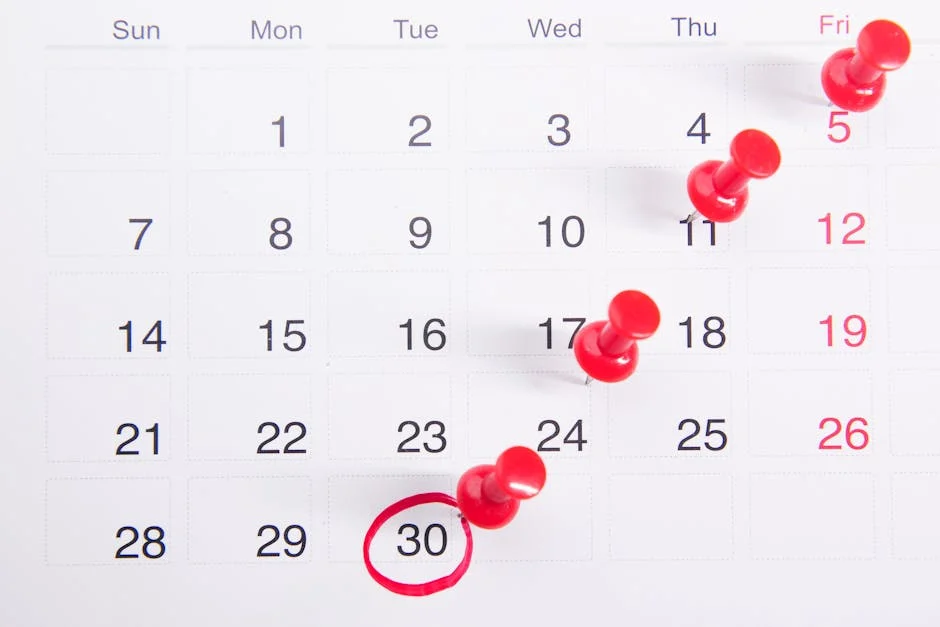
People sometimes wonder when something counts as depression versus just a rough patch. The honest answer is that duration, intensity, and functional impact all matter. A bad week is a bad week. When low mood, low energy, and reduced interest in things persist for two weeks or more, and show up most of the time, not just occasionally, that starts to align more clearly with what depression actually looks like clinically.
This doesn’t mean you need a formal diagnosis to take what you’re experiencing seriously. But it does matter to distinguish between a temporary response to a difficult event and something that has settled in and started affecting the shape of your daily life. If the latter sounds familiar, it’s worth sitting with that honestly rather than explaining it away.
A lot of people minimise their own experience. They think it has to be worse than this to count. They think other people have it harder. They look for reasons why they shouldn’t be feeling what they’re feeling. Depression doesn’t require a justification. It doesn’t care whether your life looks fine from the outside.
What to Actually Do With This

Recognising the symptoms of depression in yourself is genuinely useful, but only if it leads somewhere. The most grounded thing most people can do is talk to someone, a therapist, a counsellor, or a doctor, not because you need to be labelled or medicated, but because having a professional look at what you’re experiencing gives you a clearer picture and more options.
Beyond that, what research consistently shows is that certain things tend to hold up as useful even when nothing feels worth doing. Regular movement, even walking, has a real effect on mood over time. Sleep quality matters more than most people realise. Social connection, even low-effort contact with someone you trust, interrupts the tendency of depression to feed on isolation.
None of this is a cure. Depression at a clinical level often requires professional support, and there’s nothing weak or dramatic about that. But the small, consistent things have their own weight. They don’t fix the problem, but they make the environment slightly less hostile while you figure out the larger steps.
What It Means to Actually Understand This
There’s a difference between knowing that depression exists and actually understanding what it feels like from the inside. The second one changes how you interpret your own experience, and it changes how you respond to other people going through it.
A lot of the difficulty around depression comes from the gap between what it actually is and what people expect it to look like. Someone who seems fine but isn’t. Someone who can still function but feels empty doing it. Someone whose main feeling isn’t sadness but a kind of persistent flatness that colours everything without being dramatic enough to explain.
The symptoms of depression are real, they’re varied, and they often don’t announce themselves clearly. Recognising them, in yourself or in someone else, is probably the most useful starting point there is.
thefitstate isn’t a medical resource. If what you’re experiencing feels persistent, overwhelming, or is starting to affect your day-to-day life, it’s worth speaking with a qualified healthcare professional.