

 By
By #featured image
TL;DR
Gut health is not just about digestion. It plays a role in energy levels, mood, immunity, and how your body handles food over time. When your gut is not functioning well, the signs are often subtle and easy to overlook at first. Most evidence points toward a food first approach being more reliable than relying heavily on supplements. Progress tends to be slow and sometimes unclear, especially if your habits have been inconsistent for a while. The goal is not to fix everything quickly, but to create conditions where your gut can gradually settle into a more stable state.
What Gut Health Actually Means
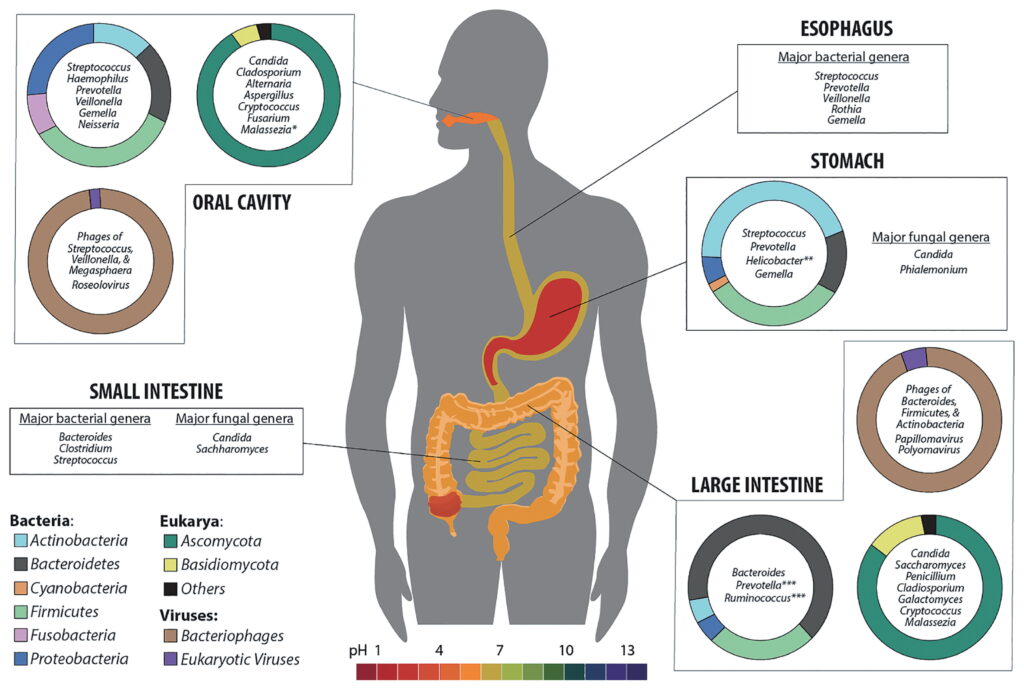
When people talk about gut health, they are usually referring to two things at once. The digestive system itself, and the balance of bacteria living inside it.
That second part is where most of the confusion comes in.
Your gut is not just a system that breaks down food. It behaves more like an environment. There are trillions of bacteria living there, and they are constantly interacting with what you eat, how you sleep, and even how stressed you are. Some of these bacteria support digestion and overall health, while others become more active when the environment allows it.
A useful way to think about it is like a garden. If the soil is neglected and nothing is maintained, weeds do not suddenly appear out of nowhere. They grow because the conditions favor them. The same pattern shows up in the gut. It is less about removing something bad and more about changing the environment so that the more helpful bacteria can do their job.
Most evidence leans toward diversity being a key part of this. When your diet includes a wider range of foods, especially plant based ones, your gut tends to become more stable over time. When your diet is narrow or heavily processed, that diversity often drops.
This is why quick fixes rarely work the way people expect. You are not fixing a single issue. You are gradually shifting a system that responds slowly to repeated input.
Signs Your Gut Might Not Be in a Good Place
Gut issues do not always show up in obvious ways.
Sometimes it is clear. Bloating after meals, irregular bowel movements, or discomfort that seems to come and go without a clear reason. These are easier to connect to digestion.
Other times, it is more subtle.
You eat what seems like a normal meal, but feel unusually tired afterward. Your energy feels inconsistent throughout the day. Some days digestion feels fine, other days it does not, even when your meals are similar. It is not severe enough to feel like a problem you need to fix urgently, but it is enough to feel off.
This is where it gets frustrating. You try to eat better for a few days, maybe add a few healthier foods, and nothing really changes. It feels like effort without a clear result.
That usually has less to do with doing something wrong and more to do with how slowly the gut responds. It is closer to adjusting a long term pattern than making a quick correction.
There are also broader signs that sometimes get linked to gut health, like skin irritation or getting sick more often, but these are harder to interpret on their own. They make more sense when you look at the bigger picture.
If symptoms are persistent or severe, it is worth speaking with a professional. Not because something serious is always happening, but because guessing tends to lead in circles.
Why Food Matters More Than Supplements
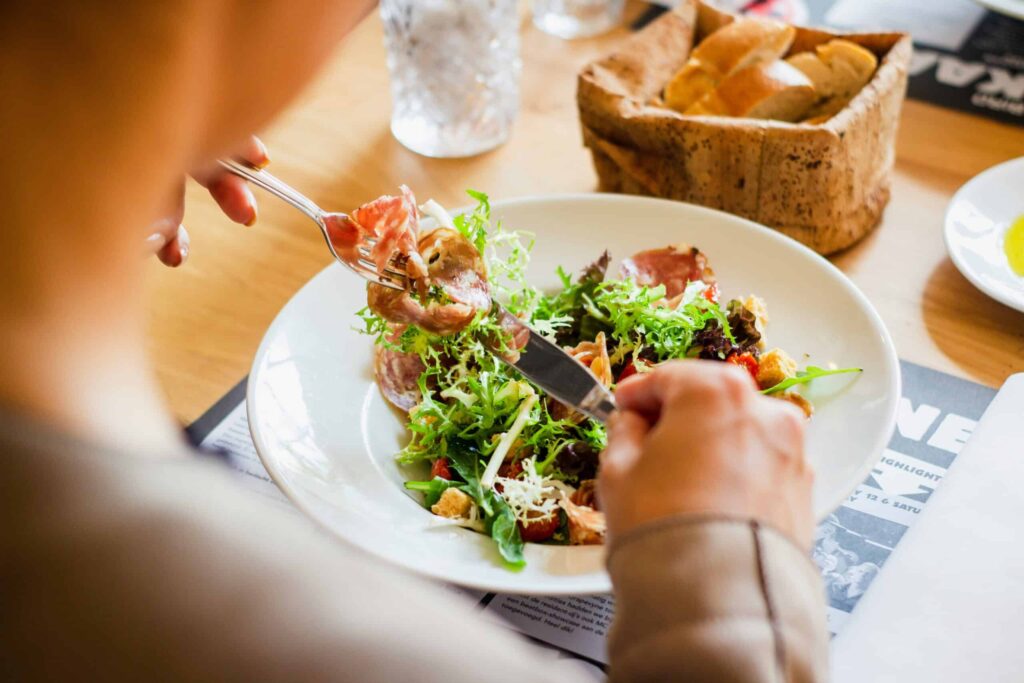
When progress feels slow, it is natural to look for something more direct.
This is where probiotics and gut health supplements come in. The idea is simple. Take something that supports gut bacteria and let it fix the problem.
The issue is that supplements are often treated as the main solution instead of a small piece of a larger picture.
Most evidence points toward food having a more consistent impact. What you eat shapes the environment your gut bacteria live in. Supplements may introduce certain strains, but if the environment does not support them, they do not tend to stay.
It is similar to planting seeds in poor soil. Without changing the conditions, growth is limited.
That does not mean probiotics have no place. In some cases, they can help. But relying on them while everything else stays the same usually leads to short lived or minimal changes.
A food first approach is slower. It also tends to be more stable.
Foods That Help Your Gut Over Time
Improving gut health through food is less about strict rules and more about patterns that you can maintain without constantly thinking about them.
Fiber is a central part of this. It acts as fuel for many of the beneficial bacteria in your gut. Foods like vegetables, fruits, legumes, and whole grains all provide different types of fiber, which support different parts of that ecosystem.
Variety matters as much as quantity. Eating the same few meals every day might cover basic nutrition, but it does not give your gut much range to work with. Over time, slowly introducing more variety tends to have a more meaningful effect than focusing on a single “perfect” food.
Fermented foods like curd or yogurt are often included in conversations about gut health. They can introduce live bacteria into the system, which can be useful in some cases. But they work best as part of a broader pattern, not as the main strategy.
It also helps to pay attention to how you personally respond to foods. Not in a restrictive or overly analytical way, but in a practical sense. If certain meals consistently leave you uncomfortable or sluggish, that is useful information.
None of this needs to be extreme. In fact, trying to change everything at once usually makes things harder to sustain.
Foods and Habits That Tend to Work Against You

Some patterns make it harder for your gut to settle into a stable state.
Highly processed foods are one of them. Not because they are harmful in a dramatic way, but because they tend to be low in fiber and easy to overeat. When they make up a large part of your diet, they crowd out the variety your gut needs to function well.
Inconsistent eating patterns can also play a role. Large swings between undereating and overeating, or constantly changing your approach, create an environment that is difficult for your gut to adapt to.
Stress shows up here as well, even if it does not seem directly connected. The gut and the nervous system are closely linked, and ongoing stress can affect digestion in ways that feel physical. You might notice this during periods where your routine changes or your sleep is disrupted.
Sleep itself is part of this pattern. Poor sleep does not just affect energy. It also influences appetite, digestion, and how your body regulates internal processes.
None of these act in isolation. They overlap in ways that are easy to miss if you look at each one separately.
The Gut Brain Connection in Simple Terms
The connection between the gut and the brain is often talked about in a way that makes it sound more complex than it needs to be.
In simple terms, your gut and brain are in constant communication. Signals move back and forth through nerves and hormones, influencing how you feel, how hungry you are, and how your body responds to stress.
A practical way to think about it is that your gut is always sending updates. If digestion is not running smoothly or the internal environment is off, those signals can shift in a way that affects your mood or energy.
This does not mean gut health explains everything related to how you feel, but it does play a role in the background.
When gut health improves, the effect is usually subtle. Things feel more stable rather than dramatically different.
Why Progress Feels Slow and Sometimes Invisible
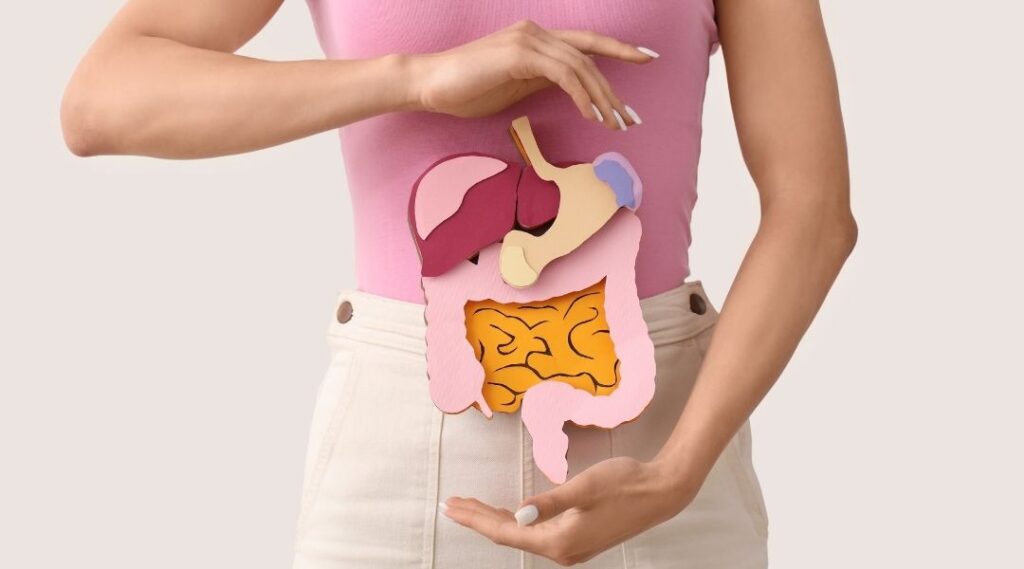
This is the part that tends to throw people off.
You start making changes. You add more fiber, try to include more variety, maybe clean up your eating a bit. And for a while, nothing seems to happen.
In some cases, things can even feel slightly worse at the beginning. More bloating, more awareness of digestion, more inconsistency. That is often part of the adjustment, not a sign that you are doing something wrong.
The gut adapts slowly. Changes in the microbiome build over time through repeated exposure to certain foods and habits.
There is also the issue of expectations. If you are waiting for a clear turning point, you might miss the smaller shifts that happen first.
Some days will feel better, others will not. That does not mean progress is not happening.
There will also be days where you fall back into older habits or eat in a way that does not feel ideal. That matters less than whether you return to a stable pattern afterward.
A Practical Way to Approach Healing Your Gut
When you step back from all the advice, a simpler approach tends to work better.
Focus on gradually increasing food variety, especially from whole foods. Include fiber regularly, but give your body time to adjust if your intake has been low. Keep your meals reasonably consistent so your gut has something predictable to work with.
If you include fermented foods, treat them as part of your diet, not a solution on their own.
Some days will not go as planned. You might eat less variety or rely on convenience foods. That happens. What matters more is whether your overall pattern stays relatively steady.
And give it enough time to actually work. Not a few days, but a few weeks and months.
If symptoms continue or feel more intense than expected, speaking with a professional can help narrow things down in a way that general advice cannot.
A More Realistic Way to Think About Gut Health
Healing your gut often gets framed as something you fix and move past.
In reality, it works more like a reflection of your routine over time.
Your gut responds to what you do consistently. What you eat, how regularly you eat, how you sleep, and how stable your day to day habits are.
There is no clear moment where everything suddenly feels perfect.
What usually happens is quieter than that. Digestion becomes more predictable. Meals stop feeling like a gamble. Energy feels a bit more even across the day.
It is not the kind of change you notice in a single moment. It is the kind you only recognize when things stop feeling off all the time.