

 By
By TL;DR:
Losing weight without exercise is possible, and the research is fairly clear on how. It comes down to eating less than your body burns. Diet alone can create a meaningful calorie deficit, and for many people it is actually more effective than exercise for fat loss in the short term. That said, “fast” is a relative word, and most approaches that promise rapid results tend to undo themselves within weeks. What actually works is slower than the internet suggests and more sustainable than most crash diet plans allow for.
If You Do Nothing Else, Do This
- Eat in a moderate calorie deficit, roughly 300 to 500 calories below your daily maintenance level
- Make protein the anchor of every meal, as it keeps you fuller and protects muscle mass
- Build meals around high-volume, low-calorie foods like vegetables, legumes, and fibre-rich carbohydrates
- Track your calorie intake honestly for at least one to two weeks, as most people underestimate how much they eat
- Stay consistent across days rather than trying to be perfect in single-day bursts
- Expect visible changes to take a few weeks, not a few days. That timeline is normal, not a sign something is wrong
Why Exercise Is Not the Main Driver of Weight Loss

This surprises a lot of people, but the research has been saying it for years. Exercise matters enormously for health, including cardiovascular function, mood, muscle retention, and bone density. But as a tool specifically for losing weight, its contribution is smaller than most people assume.
When you start exercising more, your body tends to compensate. You might move less throughout the rest of the day without realising it, sitting more, fidgeting less, feeling slightly hungrier. Over time, the body also becomes more efficient at performing familiar activities, burning fewer calories to do the same work. None of this means exercise is pointless. But it does explain why exercise alone, without any change to food intake, rarely produces the fat loss people expect.
Diet, by contrast, is much easier to control precisely. Removing 500 calories from daily intake is a straightforward subtraction. Burning 500 calories through exercise requires roughly an hour of brisk running for most people, and even then, compensatory effects can erode a chunk of that deficit by day’s end. So if you are trying to figure out how to lose weight fast without exercise, the honest answer is that it is more achievable than most people think.
The Calorie Deficit Without Exercise
The foundational principle of fat loss, calories in versus calories out, does not require a gym. Your body burns calories all day just to keep you alive. Breathing, maintaining body temperature, organ function, and basic movement all draw on your energy stores. This baseline is called your Basal Metabolic Rate, and for most people it accounts for the majority of total daily calorie burn, somewhere between 60 and 75 percent depending on the individual.
Add in the energy burned digesting food, low-level movement throughout the day, and any incidental activity, and you get your total daily energy expenditure. Eating consistently below that number, even modestly, over weeks and months produces fat loss. The body has no choice but to draw on stored energy when it does not get enough from food.
The question is not whether this works. It does. The question is how large that deficit should be, and this is where most approaches go wrong. One thing worth stating clearly: fat loss happens across the whole body, not in specific areas. There is no dietary approach that targets belly fat or any other particular region. The distribution of fat loss is determined by genetics and body composition, not by what or how little you eat.
Why Most “Fast Weight Loss” Advice Fails

The phrase “lose weight fast” is almost always misunderstood. Most people picture dropping a size in two weeks. What the research actually shows is that a sustainable rate of fat loss is roughly 0.5 to 1 kilogram per week for most people, and that is with a consistent daily deficit. Trying to push beyond that by eating very little tends to create problems that undo the progress.
Very low calorie diets do produce fast initial weight loss. But most of that initial drop is water weight and glycogen stores, not fat. The body stores carbohydrates in the muscles and liver alongside water, and as soon as carbohydrate intake drops sharply, those stores are the first to deplete. The scale moves quickly, but the fat has barely shifted.
The bigger problem with severe restriction is what it does over time. Muscle mass begins to break down when the deficit is too large, particularly if protein intake is insufficient. Your metabolic rate adapts downward. Hunger hormones increase. The longer an extreme deficit continues, the harder the body fights back. Most crash diets fail not because the person lacked willpower, but because the biological pressure to eat becomes genuinely difficult to override. The research on this is consistent and has been for decades.
What the Research Actually Shows Works
When it comes to losing weight without exercise, the approaches with the most evidence behind them share a few common features. They create a real calorie deficit without being so severe that they trigger strong metabolic adaptation. They preserve protein intake to protect muscle. And they are structured enough to be followed without relying on extraordinary willpower every single day.
Protein is worth discussing specifically. Most evidence points toward higher protein intake as one of the most useful tools when dieting without exercise. It keeps you fuller for longer than carbohydrates or fat at equivalent calorie levels. It also has a higher thermic effect, meaning your body burns more calories digesting it compared to the other macronutrients. And it is the main dietary factor that protects muscle mass during a deficit. A rough guide that research tends to support is somewhere around 1.6 to 2 grams of protein per kilogram of bodyweight, though the exact number matters less than simply making protein the anchor of most meals.
Beyond protein, the structure of eating matters more than the specific food choices. Meals that include significant volume, such as vegetables, fibre, and water-dense foods, help manage hunger without adding large numbers of calories. This is not about clean eating or avoiding specific foods. It is about understanding that hunger responds to volume and protein more than to anything else.
Calorie tracking, even roughly and temporarily, tends to produce better fat loss outcomes than eating intuitively, particularly for people who have not done it before. Most people underestimate how many calories are in the foods they eat regularly. A week or two of honest tracking tends to reveal a few consistent places where intake is higher than expected. From there, targeted reductions are more precise and less disruptive than overhauling everything at once.
The Honest Part About Fast Results
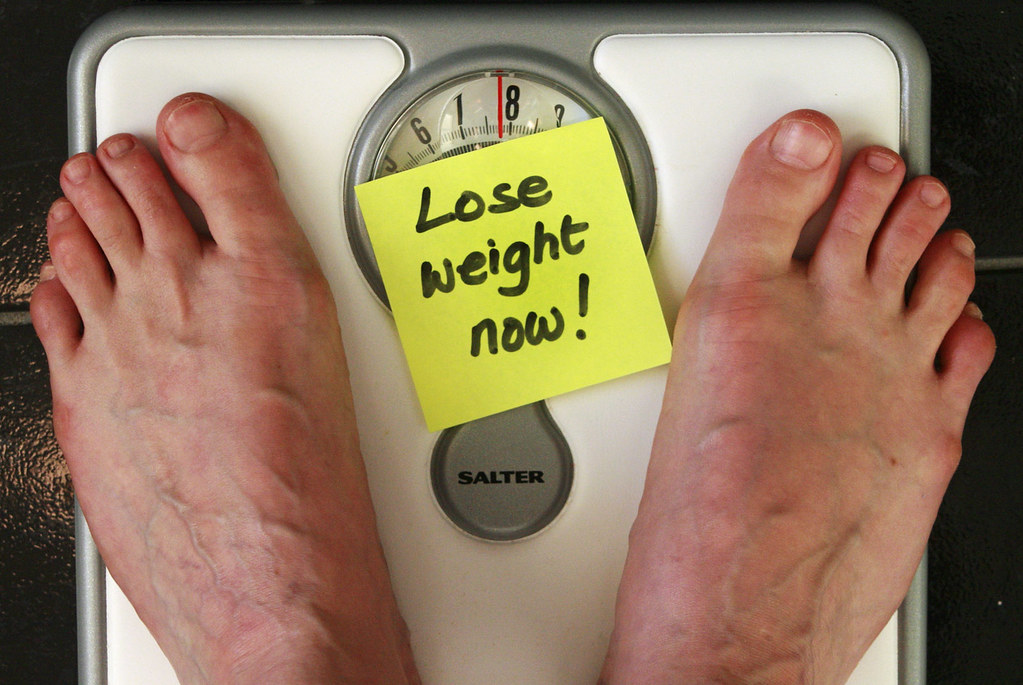
The research shows that faster initial weight loss does not tend to predict better long-term outcomes. People who lose weight quickly often regain it quickly. The physiological reasons are the ones already covered, including metabolic adaptation, muscle loss, and hormonal hunger signals, but the psychological dimension is just as relevant.
Very restrictive approaches tend to be followed by periods of overeating. Not because the person failed, but because restriction creates a cognitive and physiological pressure that eventually releases in the other direction. Most people who have tried and abandoned a diet will recognise this pattern in hindsight. It is not a personal flaw. It is a predictable biological response to prolonged undereating, and it is why most extreme diets produce a cycle rather than a result.
The most honest framing of what actually works: a moderate deficit, high protein, consistent across weeks rather than dramatic across days, with no expectation that the scale will move every morning. Progress at this pace is slower than most people want. It is also much more likely to stick.
A Note on How Diet and Exercise Actually Interact
Leaving exercise out entirely is a choice some people make for good reasons, including injury, physical limitations, time, or preference. But it is worth being clear about what gets left on the table. Exercise does not contribute as much to fat loss as people assume, but it does matter for preserving muscle during a deficit. Without any form of resistance training, a significant portion of weight lost through dieting alone tends to come from muscle, not just fat. The scale goes down, but body composition does not improve the way it would with training alongside the diet.
This is not an argument for exercise. It is a clear-eyed description of what diet-only fat loss looks like compared to the combination. For someone who genuinely cannot exercise, knowing this might change how carefully they track protein or how aggressively they approach their deficit. For someone who could exercise but would rather not, it is information worth having.
How the Body Changes Over Time Without Exercise
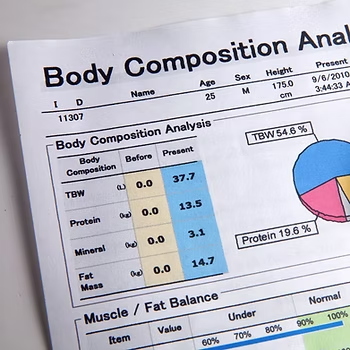
Fat loss through diet alone tends to follow a recognisable pattern. The first one to two weeks often produce relatively fast scale movement, partly because of water and glycogen depletion. This slows considerably through weeks three and four as the initial drop levels off and actual fat loss becomes the primary driver of change. The rate then plateaus periodically, which people often interpret as failure, but is more accurately described as the body recalibrating.
These plateaus are normal and do not mean the deficit has stopped working. They tend to resolve on their own within a week or two if nothing changes, because the body cannot maintain its previous weight on a sustained deficit indefinitely. The mistake most people make is cutting calories further or abandoning the approach entirely when the scale stalls. Neither tends to help.
If you have a medical condition, are on medication that affects weight or metabolism, or are uncertain about what calorie intake is appropriate for your body, it is worth speaking with a doctor or registered dietitian before making significant dietary changes. This article is a general overview, not personalised guidance.
The reality of losing weight without exercise is less dramatic than most articles on the subject suggest, and probably more achievable than many people assume. The biology is not complicated. Eating less than you burn, consistently over time, produces fat loss. What makes it hard is not the concept. It is the patience required to let a slower process do what faster methods promise but rarely deliver.