
 By
By TL;DR
A panic attack is a sudden wave of intense fear that triggers very real physical symptoms racing heart, trouble breathing, dizziness even when there’s no actual threat in front of you. Your body isn’t broken; it’s doing something it was designed to do, just at the completely wrong time. Panic attacks usually peak within about ten minutes and pass on their own, even when it doesn’t feel that way in the moment. The symptoms are uncomfortable and genuinely frightening, but they are not dangerous. Understanding what’s actually happening in your body during one can take away a significant chunk of the fear. And that matters more than most people realize.
What a Panic Attack Actually Is
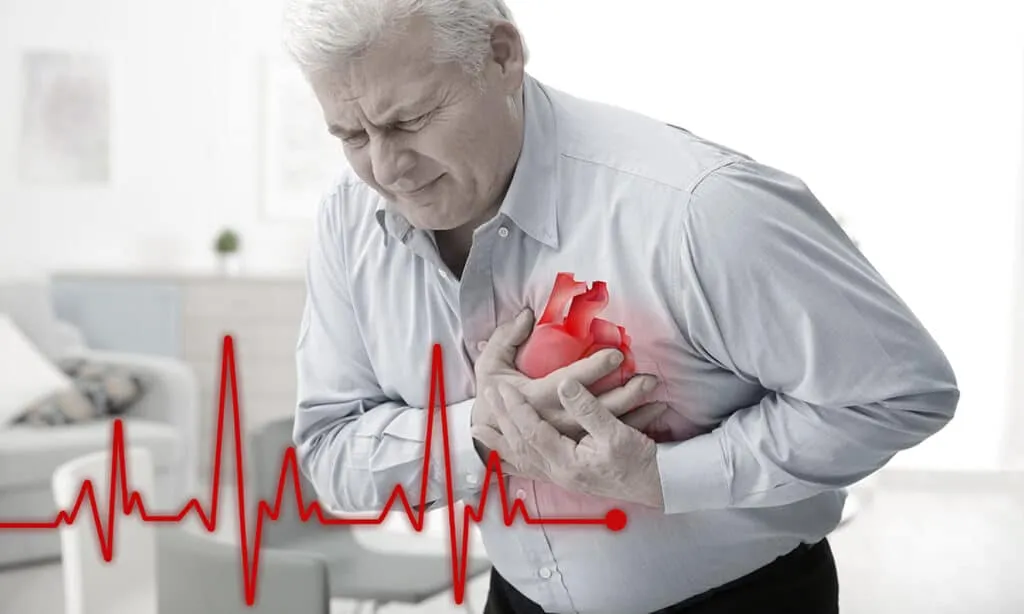
Most people who’ve had a panic attack describe the same thing: it came out of nowhere, it felt like something was seriously wrong with their body, and they were convinced at least in that moment that it was more than just anxiety. That’s not an overreaction. Panic attack symptoms are physically intense enough that a large number of people end up in emergency rooms every year, certain they’re having a heart attack or some kind of medical emergency. They almost never are.
A panic attack is essentially your body’s alarm system going off when there’s no fire. The technical term for this system is the “fight or flight response” it’s the automatic reaction your nervous system triggers when it perceives danger. Adrenaline floods your body, your heart rate spikes, your breathing quickens, your muscles tense up. All of that is designed to help you run from a predator or fight off a threat. The problem is that the brain sometimes fires this response when the situation doesn’t call for it during a meeting, on a train, while lying in bed, sometimes for no identifiable reason at all.
The key thing to understand is that panic attacks are not a sign that your body is malfunctioning. They’re a sign that your nervous system is being overactive. That distinction matters, because it changes how you relate to what’s happening when it does happen.
What Panic Attack Symptoms Actually Feel Like

The reason panic attack symptoms are so disorienting is that they mimic symptoms of real physical emergencies. That’s what makes them so difficult to dismiss in the moment, even if you intellectually know what’s happening.
The most common ones: chest tightness or pain, heart pounding hard or fast, shortness of breath or the feeling that you can’t get enough air, dizziness or lightheadedness, numbness or tingling usually in the hands or face, a feeling of unreality, like things around you don’t look quite right (this one is called “derealization,” and it sounds scarier than it is it’s just your brain under stress briefly processing things differently), and an overwhelming sense of dread or the feeling that something terrible is about to happen.
Not everyone gets all of these. Some people’s panic attacks are mostly physical. Others feel more like a sudden mental spiral that has some physical undertone. There’s no one template, which is part of what makes them hard to identify the first time.
One of the more ironic features of panic attacks is that the symptoms themselves become part of the problem. You notice your heart racing, which scares you, which makes your heart race more, which scares you more. This feedback loop is sometimes called the “panic cycle,” and it’s why attacks can feel like they’re escalating forever even when, physiologically, they can’t actually sustain that level of intensity for long. The body doesn’t have the resources to stay in full alarm mode indefinitely.
Why They Happen And Why Sometimes There’s No Obvious Reason
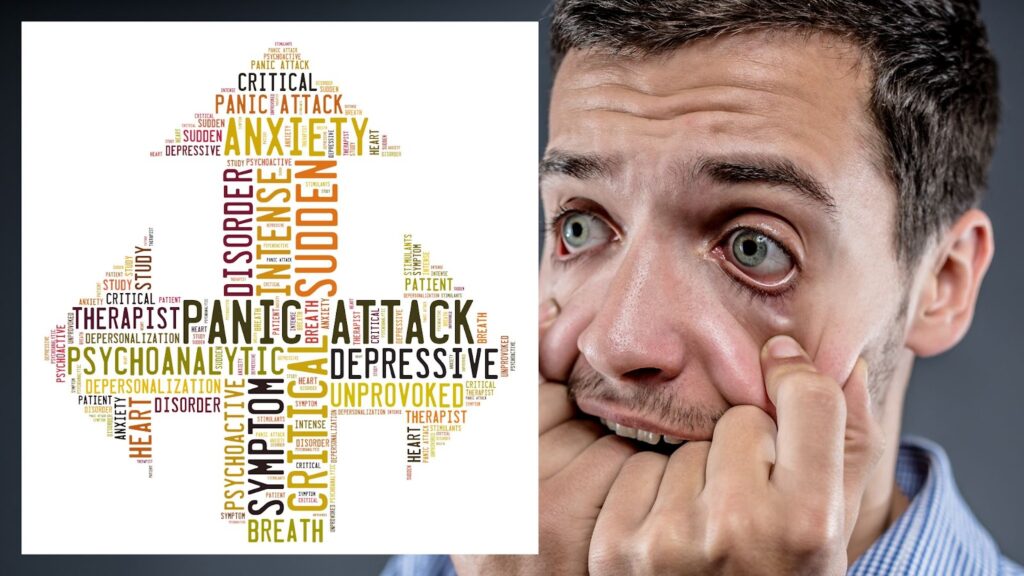
This is the part that most people find frustrating: panic attacks don’t always have a clear trigger. Some do they happen in specific situations, around specific places or people, in response to particular stressors. But others seem to arrive completely out of nowhere, sometimes even during sleep.
There are a few things that tend to make the nervous system more reactive in general: chronic stress, sleep deprivation, too much caffeine, periods of significant life change, unresolved anxiety that hasn’t had anywhere to go. None of these are causes in a direct, one to one sense. They’re more like conditions that lower the threshold meaning it takes less to set the alarm off.
For some people, panic attacks cluster around a specific period of their life a high stress job, a difficult relationship, a time of major uncertainty and then reduce or stop once that period passes. For others, they develop into something more ongoing, sometimes becoming a condition called panic disorder, where the fear of having another panic attack becomes its own anxiety. The two are different things, and if attacks are frequent or are significantly shaping how you live your life, that’s worth talking to someone about.
What’s worth holding onto here is that the absence of an obvious trigger doesn’t mean something is deeply wrong with you psychologically. It often just means your nervous system is running on a lower threshold than usual. That’s not a character flaw. It’s a physiological state, and physiological states change.
What to Do When One Happens

There’s no trick that makes a panic attack stop instantly. Anyone who promises that is overselling it. What there are, though, are things that can help interrupt the feedback loop and remind your nervous system that you’re not actually in danger.
The most evidence backed one is controlled breathing. Not deep, dramatic breaths those can actually make things worse by changing the balance of oxygen and carbon dioxide in your blood too quickly. What tends to work better is slow, deliberate breathing where the exhale is longer than the inhale. Something like breathing in for four counts, holding briefly, exhaling for six or seven counts. The extended exhale activates the parasympathetic nervous system the part responsible for calming things down more effectively than just taking big deep breaths.
Grounding techniques are another thing that helps a lot of people. The idea is to redirect attention away from the internal spiral and back toward the physical environment. A common version: notice five things you can see, four you can touch, three you can hear, two you can smell, one you can taste. It sounds almost too simple, and it doesn’t make the panic attack disappear, but it does give your mind something concrete to do instead of amplifying the fear.
The other thing and this is harder, but arguably the most important is to try not to fight it. The instinct during a panic attack is to resist what’s happening, to try to force it to stop, to escape whatever situation you’re in. That resistance often makes things worse, because it confirms to your nervous system that there’s something to be afraid of. The counterintuitive approach is to allow it to be happening not because you like it, but because you know it will pass. Every panic attack ends. Every single one.
After It’s Over
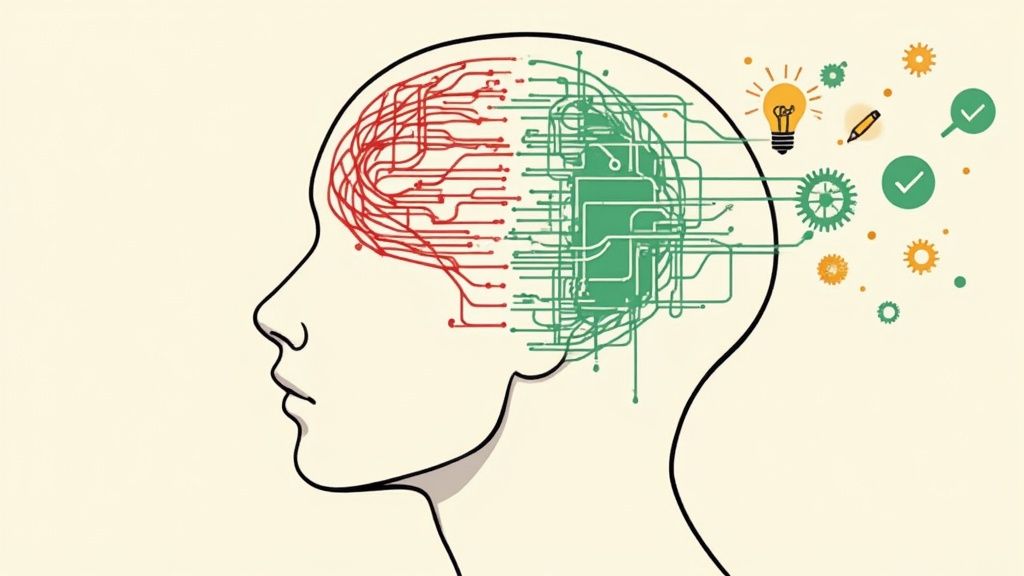
The aftermath of a panic attack can be exhausting in a way that’s hard to explain to someone who hasn’t had one. It’s not just physical tiredness, though that’s real it’s a kind of emotional depletion that can make the rest of the day feel flat or strange.
It’s also normal to feel some residual anxiety for a while after a kind of low level wariness, like your system is still slightly on edge. That usually fades with time and rest, and it isn’t a sign that another attack is coming.
What matters more in the longer term is what you take away from the experience. The more you understand what panic attack symptoms actually are and what they’re not the more you understand that they’re uncomfortable but not dangerous the less power they tend to have the next time. Not because understanding is a magic fix, but because fear of the attack itself is a significant part of what sustains the cycle.
If panic attacks are happening frequently or starting to influence how you move through the world avoiding places, rearranging your life around them talking to a therapist who works with anxiety is genuinely worth considering.
The Bigger Picture
Panic attacks occupy this strange space where the experience feels enormous and the medical reality is relatively benign. That gap between feeling and fact is at the core of what makes them so difficult to navigate especially the first time.
Understanding the mechanics doesn’t make them pleasant. But it does change your relationship with them. And over time, that relationship how much fear you bring to the experience, how much meaning you assign to it ends up being more relevant than the attacks themselves.
The body isn’t always a reliable narrator. Sometimes it reports emergencies that aren’t there. Learning to recognize when that’s happening, and sitting with the discomfort of it without catastrophizing, is one of the more genuinely useful things a person can develop. Not easy, but genuinely useful.
thefitstate is not a medical resource. If you’re experiencing frequent panic attacks or symptoms that concern you, please speak with a qualified healthcare professional.