

 By
By TL;DR
Willpower feels powerful in the moment, but it is unstable and highly dependent on mood, energy, stress, and environment. It works best in short bursts and tends to fade when life becomes complicated or exhausting. Most long-term habits don’t survive on willpower alone; they rely on structure, environment, and routine. When people repeatedly “fail,” it is often not a character flaw but a misunderstanding of how fragile willpower actually is. The more we treat it as a limited resource rather than a personality trait, the more realistic our expectations become.
The Myth of Inner Strength
Willpower is often framed as a kind of moral muscle. Some people have it. Others don’t. If you’re disciplined, you’re strong. If you give in, you’re weak. It’s a simple story, and simple stories are appealing. They give us someone to blame.
But the reality is less dramatic and far more ordinary.
Most people have experienced moments of strong resolve. Waking up early for a week straight. Avoiding sugar after a health scare. Working late to meet a deadline. For a short period, the internal voice is clear and firm. Decisions feel sharp. Temptations seem manageable. In those moments, willpower feels real and reliable.
The problem is not that willpower doesn’t exist. The problem is that it fluctuates.
It rises when we are rested, emotionally steady, and motivated by something immediate. It drops when we are stressed, tired, overwhelmed, or distracted. And since adult life tends to include all of those things regularly, relying on willpower alone becomes unstable.
The myth suggests that if you “really wanted it,” you would sustain the effort. But wanting something and having the psychological energy to pursue it are not the same thing. We collapse those two ideas into one, and in doing so, we misunderstand ourselves.
Willpower Is Context-Dependent

One of the clearest signs that willpower is unreliable is how dramatically it changes depending on context.
Think about how different decisions feel on a calm Sunday morning compared to a chaotic weekday evening. In one setting, restraint feels reasonable. In the other, it feels exhausting. The same person. The same goal. Different environment.
Stress quietly drains cognitive capacity. So does lack of sleep. So does decision fatigue. By the end of a long day filled with small choices, negotiations, responsibilities, and interruptions, the brain is less interested in effort. It defaults toward convenience and comfort. This isn’t laziness. It’s conservation.
When people say they “lost willpower,” what often happened is that their mental bandwidth ran out.
Research in behavioral psychology repeatedly shows that environment influences behavior more than intention does. If something is visible, accessible, and easy, we are more likely to do it. If something requires friction and effort, we are less likely to follow through. Willpower has to work harder in high-friction environments, and eventually it gets tired.
This is why someone can be highly disciplined at work and completely inconsistent at home. The structure at work reduces the number of decisions required. Expectations are clear. Consequences are defined. At home, structure dissolves. Choices multiply. The burden shifts inward.
Willpower performs better when the environment supports it. It struggles when it stands alone.
Emotional States Undermine It Quietly
There’s also an emotional dimension that often goes unnoticed.
Willpower depends on emotional stability more than we admit. When someone feels anxious, discouraged, lonely, or overstimulated, restraint becomes more difficult. Not because they don’t care, but because emotional discomfort creates a pull toward relief.
Relief-seeking behaviors are immediate. They offer short-term soothing. Scrolling, overeating, procrastinating, skipping routines — these aren’t always acts of rebellion. Sometimes they’re attempts to regulate internal discomfort.
In calm states, long-term thinking is easier. In distressed states, the brain prioritizes immediate emotional balance. It narrows focus to what will reduce tension right now.
Expecting consistent willpower across inconsistent emotional states is unrealistic. Yet we do it constantly. We measure ourselves by our worst days and assume our inconsistency reveals something flawed about our character.
It rarely does.
It usually reveals that humans are sensitive to internal shifts. Our decisions are influenced by mood more than we like to believe. When energy is low and stress is high, restraint feels heavier.
The Short-Term Nature of Motivation
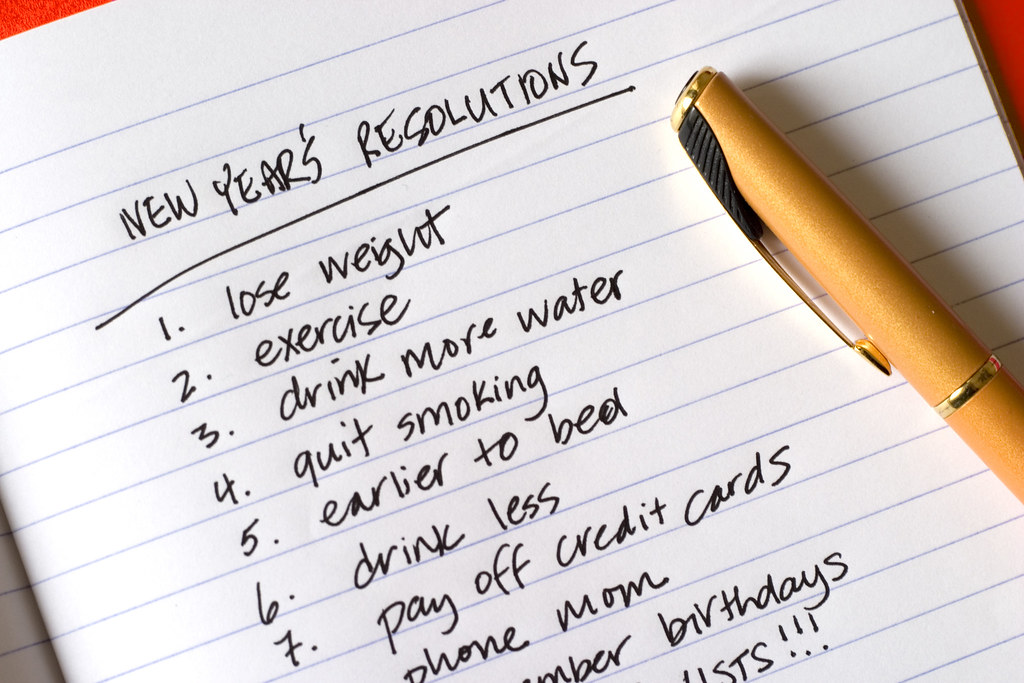
Willpower often rides on the back of motivation. And motivation is inherently temporary.
When a goal is new, it carries novelty. There’s excitement in imagining change. Energy rises naturally because the future looks different. In that early stage, willpower feels abundant.
Over time, novelty fades. The routine becomes repetitive. Progress slows. The emotional reward diminishes. What once felt urgent becomes ordinary.
This is the stage where many people interpret their fading effort as failure. But what’s actually happening is predictable. The emotional spike that fueled the initial push has leveled out.
Willpower struggles in maintenance phases. It thrives in beginnings. And most meaningful goals require long stretches of maintenance.
That mismatch creates frustration. We expect the same intensity we felt at the start. We compare our current effort to our initial enthusiasm and conclude something is wrong.
In reality, nothing is wrong. The psychological high simply wore off.
Without systems, structure, or habits to carry the behavior forward, willpower alone eventually exhausts itself.
Decision Fatigue Is Real
Another overlooked factor is the sheer number of decisions adults make daily.
From minor choices like what to eat or wear, to complex ones involving finances, relationships, or work responsibilities, decision-making consumes cognitive energy. Each choice, no matter how small, pulls from the same limited mental reserve.
By the time evening arrives, that reserve is often depleted.
When people say, “I know what I should do, I just didn’t do it,” they are describing decision fatigue. The rational part of the mind remains intact. The capacity to act on it weakens.
It’s easier to order takeout than cook. Easier to postpone a workout than start one. Easier to scroll than read. These aren’t dramatic collapses of character. They are small concessions made when mental energy is low.
Willpower is strongest when decisions are few. When routines are automatic. When friction is minimal.
The more decisions required to maintain a habit, the more strain placed on willpower. And strain accumulates quietly.
Identity vs. Effort

There’s also a deeper misunderstanding in how we define discipline.
We often assume disciplined people are constantly exerting effort. But in reality, many consistent behaviors stem from identity rather than constant internal struggle.
When something becomes part of how a person sees themselves, it requires less negotiation. There’s less debate. Fewer emotional swings around it.
For example, someone who identifies as “a person who exercises” doesn’t rely on willpower every day. The behavior is integrated. It’s closer to routine than battle.
In contrast, someone who relies purely on daily resolve must argue with themselves repeatedly. That argument is exhausting. And eventually, it’s lost.
Willpower requires repeated conscious effort. Identity-based habits require far less.
This doesn’t mean identity is easy to build. It usually forms slowly, through repeated action over time. But once it’s there, it reduces dependence on fluctuating motivation.
Willpower feels heroic. Identity feels ordinary. And ordinary behaviors tend to last longer.
The Illusion of Control
Another reason willpower is unreliable is that it assumes full internal control.
But humans are influenced by far more than conscious intention. Social norms, stress levels, sleep quality, access, convenience, and even lighting can affect behavior. These influences are subtle. They don’t announce themselves.
We like to believe we are making purely rational decisions. In reality, we are responding to layered environmental cues.
If unhealthy food is within reach, if distractions are constantly visible, if work demands stretch into personal time, resisting becomes a repeated act of friction.
Willpower can manage friction for a while. It cannot eliminate it.
The illusion of control becomes damaging when we interpret environmental influence as personal weakness. Instead of adjusting the environment, we double down on self-criticism.
The more we rely solely on internal strength, the more likely we are to feel inconsistent.
What Actually Sustains Change

Long-term consistency tends to emerge from structure rather than bursts of effort.
Habits built around routine, simplified choices, and supportive environments reduce reliance on daily willpower. When the path is clear and predictable, less energy is required to stay on it.
This doesn’t remove difficulty. It simply shifts the burden away from constant internal negotiation.
It’s less about trying harder and more about reducing unnecessary friction.
That might mean preparing in advance so decisions aren’t repeated every day. It might mean removing temptations rather than resisting them repeatedly. It might mean narrowing focus to fewer goals instead of scattering energy across too many.
None of this is dramatic. It doesn’t feel impressive. It lacks the intensity associated with “strong will.”
But it works quietly in the background.
Rethinking Failure
When willpower is treated as the primary driver of success, inconsistency feels like a moral flaw.
When willpower is seen as limited and context-dependent, inconsistency becomes understandable.
This shift doesn’t excuse every lapse. It simply introduces realism.
If someone is repeatedly struggling with the same goal, the issue may not be that they lack strength. It may be that the system supporting the goal is weak or nonexistent.
There’s a difference between lacking effort and lacking structure.
One attacks identity. The other invites adjustment.
The more adults recognize this distinction, the less self-punishment becomes necessary.
A Quieter Understanding

Willpower is not useless. It has its place. It helps initiate change. It helps push through short-term resistance. It matters in critical moments.
But it was never designed to carry the full weight of long-term transformation.
Expecting it to remain steady across stress, fatigue, distraction, and emotional fluctuation is unrealistic. It sets standards that human psychology doesn’t support.
A quieter understanding emerges when we accept that resolve will rise and fall. Some days decisions feel simple. Other days they don’t. That variability is not dramatic. It’s human.
And perhaps that recognition alone softens the need to constantly judge ourselves by our most inconsistent moments.
Willpower is not reliable. But understanding its limits might be.