

 By
By TL;DR
Mental health problems don’t arrive like storms. They build like rust. Slowly. Quietly. A little more irritation. A little less energy. Workouts that feel heavier for no clear reason. Nights where you sit in your parked car arguing with yourself about going inside. Nothing dramatic — just small shifts that stack until your normal doesn’t feel normal anymore.
It doesn’t feel serious at first
It starts in ways that are easy to dismiss.
You wake up and feel slightly off. Not sick. Not sad. Just… low. You brush it off. Maybe sleep wasn’t great. Maybe work’s been annoying. Maybe it’s just one of those weeks.
Then the week becomes a month.
You still function. You still show up to things. You still answer messages. That’s what makes it tricky. There’s no collapse. No big scene. You’re just operating at 70% and calling it fine.
In the gym, it shows up as warm-ups feeling heavier than they should. You load the bar with something you’ve lifted dozens of times and it feels unfamiliar. Like your hands forgot what to do.
You tell yourself you’re just tired.
Maybe you are.
But when that explanation repeats for months, something deeper is probably happening.
Tolerance quietly shrinks

You don’t notice your patience thinning until something tiny sets you off.
Someone takes longer than expected on a machine. Someone gives you a look you interpret the wrong way. Someone interrupts you mid-set.
Normally, it wouldn’t matter.
But on certain days, it feels personal.
I remember one evening — packed gym, closing time creeping in. I adjusted the squat rack and some guy gave a dramatic eye roll. I rolled mine back without thinking.
“You got a problem?”
The whole place went quiet. That heavy, awkward silence where plates stop clanking for a second.
It wasn’t about the rack. It wasn’t about him. It was weeks of short sleep, work stress, stalled lifts, feeling behind in life — all compressed into one stupid exchange.
When mental strain builds, it doesn’t always show up as sadness. Sometimes it shows up as aggression. Or defensiveness. Or hypersensitivity.
We call it “having a bad day.”
But if the bad days keep stacking, that’s not just a mood.
Injury shakes more than the body
There’s a specific kind of fear that sticks after you get hurt.
Not the sharp pain. That fades.
It’s the hesitation.
I once had my grip slip mid-deadlift. The kind of split-second mistake that turns into a hospital visit. Lower back injury. Not catastrophic — but serious enough that I left in a wheelchair instead of walking out.
What surprised me wasn’t the pain. It was what happened later.
Every time I approached a heavy pull after that, my brain hesitated. Even when my body felt ready.
There’s a quiet voice that says, “What if it happens again?”
That voice doesn’t scream. It whispers.
You keep training. You move on. Outwardly, everything looks normal.
But internally, something changed. A little trust cracked.
And mental health problems often build in those cracks — small losses of confidence we pretend didn’t affect us.
The day you walk out for no real reason
There was a period where I unracked the bench for a warm-up set, felt off, and racked it immediately.
No pain. No injury. Just… wrong.
Instead of adjusting the weight or giving it another shot, I left. Shoes half-tied. Bag thrown over my shoulder. Didn’t make eye contact with anyone.
That one moment turned into months away.
It’s strange how a single emotional reaction can spiral into extended avoidance. Not because the lift was impossible. But because mentally, I didn’t have room for frustration that day.
And when you avoid one thing, it becomes easier to avoid the next.
That’s how the slope begins.
Not with a dramatic decision. Just with, “Not today.”
The car arguments

There’s a particular kind of exhaustion where you drive to the gym and sit there with the engine running.
Music playing. Hands on the steering wheel. Staring at the entrance.
You debate.
You calculate how little sleep you’ll get. You think about tomorrow’s workload. You convince yourself missing one day won’t matter.
Sometimes you go in.
Sometimes you don’t.
The scary part isn’t skipping. It’s how normal the debate becomes. How routine it feels to negotiate with yourself over something that used to be automatic.
You tell yourself you’re just adjusting to a new schedule. A tougher job. More responsibility.
But if that internal argument happens every night for months, it’s not just about scheduling.
It’s resistance.
And resistance usually has a reason.
Energy drops before mood does
Most of us expect mental health struggles to look dramatic — panic attacks, crying spells, full breakdowns.
More often, it’s just low energy.
You’re not devastated. You’re just drained.
You scroll longer. You delay small tasks. You cut workouts short. You move slower between sets. You need more caffeine to feel baseline.
Recovery takes longer. Not just physically — mentally. One stressful week bleeds into the next. Even after things calm down, your nervous system doesn’t.
By your mid-30s, you start noticing it more. The bounce-back isn’t automatic anymore. You can’t abuse sleep and expect to feel fine. You can’t ignore stress and expect it not to show up under the bar.
That awareness is sobering.
And if you fight it — if you expect to operate like you did years ago — frustration builds.
We mistake boredom for decline
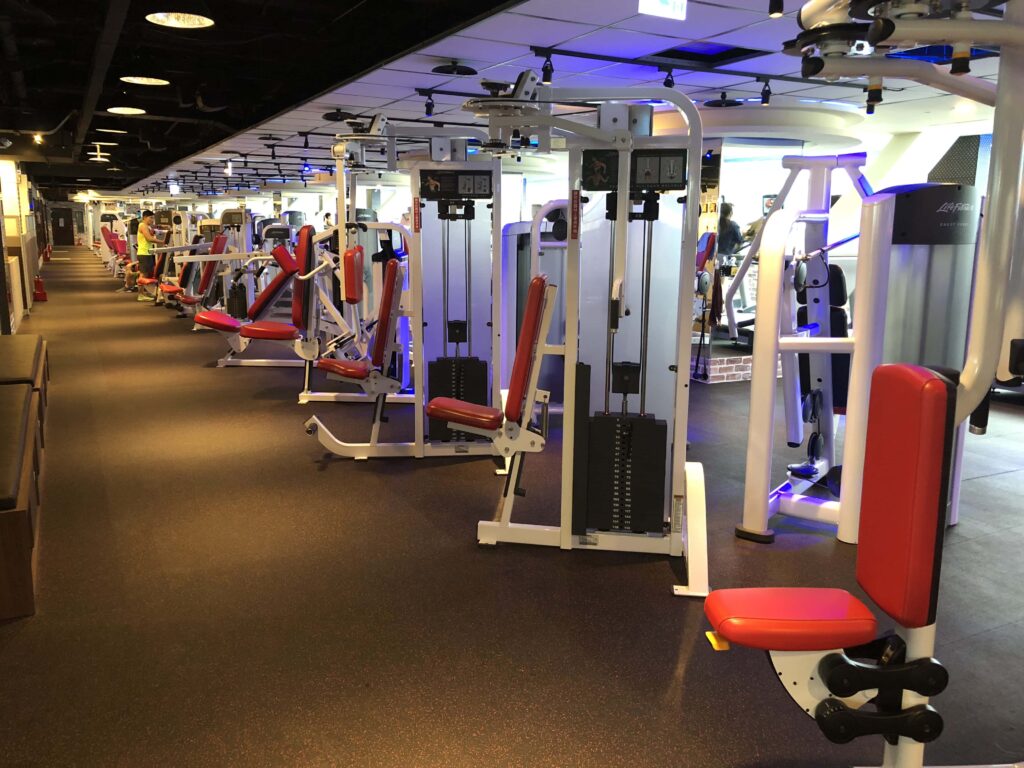
After years in the gym, nothing feels new.
Same fluorescent buzz at 5:30am. Same rubber flooring. Same metal plates. Same locker room smell.
There’s no adrenaline rush from walking in anymore. It’s just… familiar.
When you’re mentally steady, that familiarity feels grounding.
When you’re not, it feels dull.
You start questioning the point. Why am I still doing this? Why does this feel harder than it should? Why does progress feel slower?
The mind interprets boredom as stagnation. As failure. As proof you’ve peaked.
Sometimes it’s not decline.
Sometimes it’s just longevity.
But if you don’t understand that difference, the dissatisfaction can turn inward.
Identity erosion
Here’s something that doesn’t get talked about much.
Every time we drift away from something that once defined us, our sense of self weakens a little.
If you see yourself as someone who trains, but you haven’t trained in months, there’s tension there.
You don’t feel aligned.
That misalignment doesn’t show up as a breakdown. It shows up as low-level discomfort. A sense that you’re slightly out of sync with your own standards.
Over time, if the gap widens enough, you stop identifying with the disciplined version of yourself altogether.
You become someone who “used to.”
That shift is heavy.
Because rebuilding identity takes more effort than rebuilding muscle.
It’s rarely one big collapse
Looking back, there wasn’t a single catastrophic mental break.
There were moments — injury, walking out mid-session, pointless arguments, sitting in the car for twenty minutes debating existence.
But mostly, it was erosion.
Sleep shaving off an hour here and there. Stress creeping into evenings. Work expanding into weekends. Recovery stretching longer. Enthusiasm thinning.
Nothing dramatic enough to justify concern.
Just enough to shift baseline.
That’s how mental health problems build — not through explosion, but through accumulation.
Autopilot can save you

These days, some workouts are nothing special.
I go in late. Do two lifts. Leave. No PRs. No breakthroughs.
Just maintenance.
It’s not glamorous. It doesn’t feel heroic.
But autopilot keeps the floor from collapsing.
When motivation is low and enthusiasm is gone, structure matters more than intensity. Showing up imperfectly keeps the identity intact.
And identity stabilizes the mind.
Not perfectly. Not instantly.
But enough.
Why does this feel heavier now?
That question shows up often.
Not just about weight on the bar. About life. About expectations. About recovery.
Why does it take longer to feel normal again after a stressful week?
Why does missing a few sessions spiral faster than it used to?
Why does frustration hit quicker?
Part of it is age. Part of it is accumulated responsibility. Part of it is simply awareness — you can’t ignore patterns forever.
But part of it is also that we’re carrying more internally than we admit.
And carrying more without adjusting expectations is a slow burn.
It builds because we call it “fine”
The biggest reason mental health problems grow slowly is because we normalize every stage.
Low energy? Normal.
Short temper? Stress.
Skipping sessions? Busy.
Feeling detached? Just tired.
Individually, none of those are alarming.
Stack them for a year or two, and the baseline shifts.
Suddenly, feeling sharp becomes rare. Feeling calm becomes occasional. Feeling fully present feels unfamiliar.
And because the decline was gradual, we adapt to it without realizing we’ve adapted downward.
That’s the dangerous part.
Not broken. Just layered

The truth is, most of us aren’t broken.
We’re layered.
Layers of stress. Layers of small disappointments. Layers of avoidance. Layers of unspoken pressure to keep performing.
The gym just makes it visible. It’s a mirror. When the bar feels heavier than it should, it’s not always about strength.
Sometimes it’s about everything else.
Mental health problems don’t usually announce themselves with sirens. They build in skipped reps, in car arguments, in overreactions, in quiet returns after long absences.
They build because we keep functioning.
And functioning is convincing.
Some nights I still sit in the car longer than I train. The engine running. Music low. Debating.
Most nights I go in anyway.
Still doesn’t feel easy. Just familiar.