

 By
By TL;DR
Habits aren’t built in big emotional moments. They’re built in boring repetition, in quiet comebacks after disappearing, in showing up when the excitement is gone. We don’t form habits by feeling ready. We form them by returning — after injuries, ego fights, long gaps, and nights sitting in the car arguing with ourselves. It’s less about becoming a new person and more about accepting this is just something we do now. Even when we don’t feel like it.
We keep waiting for the “right mindset”
We act like habits start with some internal switch flipping. Like one morning we’ll wake up focused, clear-headed, done with our old nonsense. We buy new shoes, clean up the playlist, write a neat little plan in our notes app and tell ourselves this is it. This is the version of us that finally sticks.
But that energy fades. It always fades.
Most of us don’t fail because we’re lazy. We fail because we expect the feeling to carry us further than it can. We treat motivation like fuel, like if we pour enough of it in at the start the engine will just run. But motivation is unstable. It spikes. It crashes. It disappears on random Tuesdays for no dramatic reason.
Habits don’t form when we feel powerful. They form when we show up and feel nothing special at all. When the gym at 5:30am is half-empty, the fluorescent lights buzzing overhead, and the bar feels heavier than logic says it should. When we’re not inspired, not angry, not chasing anything dramatic. Just there. Just moving.
That neutral repetition — that’s where the wiring starts changing. Quietly. Without fireworks.
The night everything slowed down

There was a summer where everything felt strong. Deadlifts were moving clean. Grip felt solid. Confidence was high in that subtle way where you don’t talk about it, you just feel it.
Then one rep — grip slipped mid-pull. Just a fraction of a second. And something in my lower back tore in a way that wasn’t normal soreness. L4-L5. The kind of pain that doesn’t scream but shuts you down completely. Hospital. Wheelchair out.
That moment didn’t feel cinematic. It felt small and humiliating. Like gravity reminding me I’m not special.
We assume habits are built when we’re stacking good weeks, chasing numbers, feeling strong. But that injury taught me something uncomfortable. The habit wasn’t the heavy deadlift. The habit was the rehab. The light work. The boring movements that nobody films.
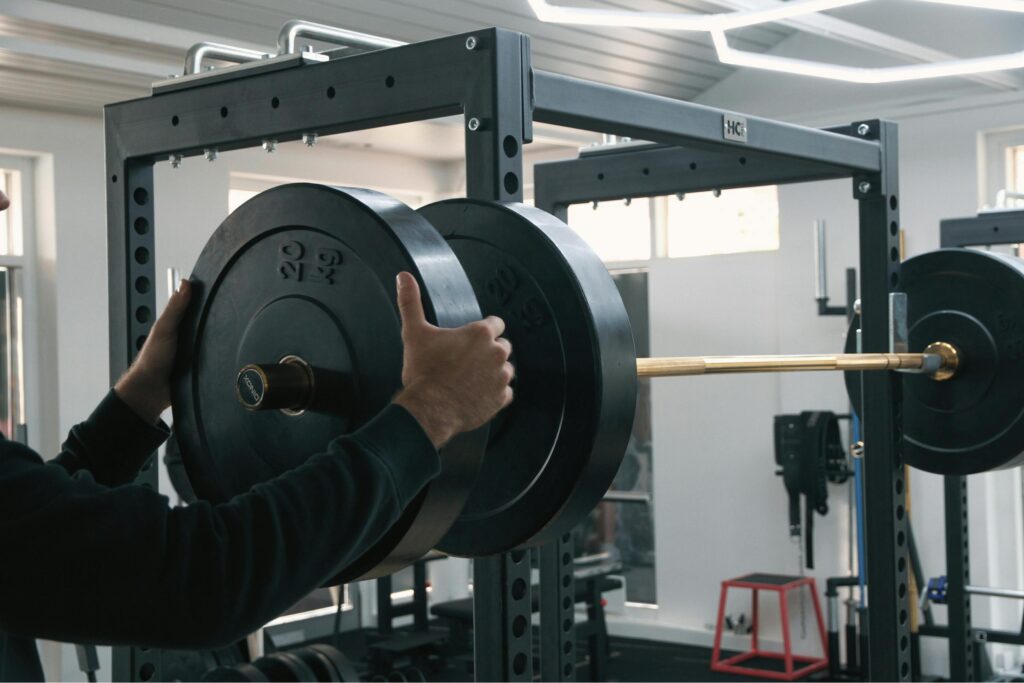
Coming back months later to the same rack with embarrassingly light weight was harder than any PR. Warm-ups felt like working sets. The bar felt foreign in my hands. I’d stand there longer than necessary, just staring at it, trying to convince myself this still counted.
And it did.
Because habits don’t care how impressive the work looks. They care that we keep the appointment.
We don’t quit loudly. We fade.
There was a day I racked the bench after one warm-up set. Not a max. Not a failed rep. One warm-up. I just sat there staring at the bar, shoes half untied, feeling this weird emptiness. Not pain. Not anger. Just indifference.
Then I left.
Didn’t come back for three months.
That’s how habits actually break. Not with drama. With distance. We skip a day. Then a week. Then we stop mentioning it. The identity starts softening around the edges.
During that gap, though, there’s always this low-level tension. Like unfinished business sitting in the background of our brain. We pretend we’re over it. But it lingers.
When I walked back in after those months, it wasn’t a comeback. It was awkward. I avoided eye contact with the regulars. Re-tied my shoes twice in the locker room like that would somehow fix the fact that I disappeared. The first session back felt average. The second felt stiff. The third felt slightly less foreign.
And that’s when it clicked.
The habit wasn’t dead. It was neglected.
There’s a difference. And that difference is everything.
Ego makes habits fragile

There was a morning in the squat rack where something stupid almost derailed everything. Some guy hovering too close. I rolled my eyes. He said something back. “You got a problem?” The gym went quiet in that awkward way where everyone pretends not to listen but absolutely is.
Two adults arguing over steel and rubber plates.
That week felt tense after that. Workouts weren’t grounded anymore. They felt like territory. Like something to defend. And that emotional charge made everything heavier than it needed to be.
Habits don’t survive drama. They survive stability.
When every missed lift feels personal, every glance feels disrespectful, every stalled number feels like failure, the habit becomes emotionally expensive. And anything emotionally expensive is easy to drop when life gets busy.
The more ego we attach to a habit, the more fragile it becomes. Once I stopped trying to prove something in that room, the repetition got quieter. Less exciting. But stronger.
Durability isn’t loud.
The car conversations are heavier than the weights
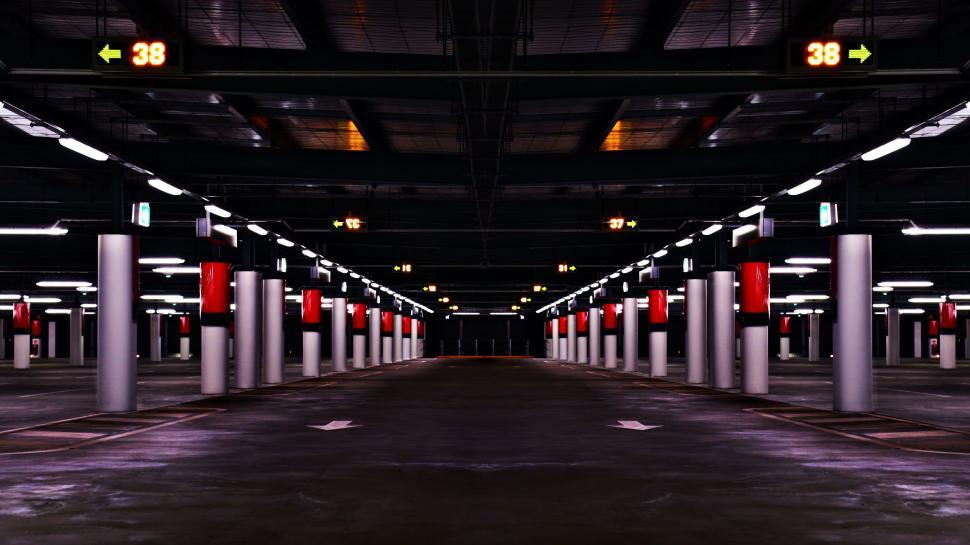
There was a stretch where work drained everything. Long days. Commute that felt endless. Evenings blurred together. I’d drive to the gym, park, and just sit there with the engine running.
Scrolling. Negotiating.
“You’re tired.”
“It won’t matter if you skip.”
“You can start fresh next week.”
Sometimes I drove home. Sometimes I went in and did the bare minimum. Two movements. Maybe three. Out in half an hour. No pump. No pride. Just enough to keep the thread from snapping completely.
Those sessions mattered more than the heavy ones.
Because that’s when the shift happened. I stopped chasing progress every day and started protecting the act of showing up. Lowered the emotional barrier. Allowed average. Allowed autopilot.
Habits form when participation becomes easier than avoidance. When we accept that not every session has to mean something. Some are just maintenance. Some are just proof we didn’t disappear.
That quiet tolerance for imperfection — that’s structure.
Habits get boring. That’s the point.
After years of doing something, the excitement fades. The gym stops feeling like an event. It becomes familiar. You know which machines stick. You know where every plate is. You know exactly how long your warm-up takes without thinking about it.
At first that boredom feels like decline. Like maybe you’re losing the spark.
But boredom isn’t decline. It’s integration.
When something becomes repetitive and almost dull, it means it’s no longer a performance. It’s part of the background of your life. Like brushing your teeth. Like locking your door.
There are 9pm sessions where the place closes in 30 minutes and you move through sets half-aware. There are early mornings where the bar feels heavy for no clear reason and you don’t spiral. You just adjust and continue.
That’s not exciting.
It’s stable.
And stability is what habits are built on.
We treat it like a phase. That’s why it keeps collapsing.
We approach fitness like a project with an end date. We say we’re going to get in shape, fix something, push hard for a few months. But if it’s framed like a temporary mission, it will end like one.
When progress slows, we assume the chapter is over. We forget that maintenance doesn’t feel dramatic. It feels normal. Quiet. Sometimes even pointless.
The shift is subtle. Instead of seeing it as transformation, we see it as upkeep. Something that keeps us from sliding backwards physically and mentally.
When it stops being an event and becomes part of our weekly rhythm, that’s when it sticks. Not because it’s thrilling. But because it’s ordinary.
And ordinary is sustainable.
So how are habits actually formed?
They’re formed in the returns. In walking back into the gym after months away and acting like you never left. In doing light rehab work when your ego wants heavy plates. In swallowing pride after a dumb argument and showing up the next day anyway.
They’re formed in the car conversations where you choose — not always, but often enough — to step out and go inside. In sessions that feel average. In weeks that feel slow. In accepting that not every day will feel strong or meaningful.
Habits form when the act becomes smaller than the identity. When it’s no longer “I’m changing my life,” and more like, this is just what we do. We train. We move. We show up imperfectly.
We don’t build habits in moments of fire.
We build them in quiet repetition. In neutral mornings. In tired evenings. In imperfect returns that no one applauds.
Still don’t love it most days.
Still go anyway.
Some nights I sit in the car longer than I train.
But I go in.