

 By
By TL;DR (Quick Summary)
Starting fitness from zero is not about extreme workouts, strict food rules, or feeling motivated all the time. It begins with understanding your current state, reducing pressure, and slowly bringing movement into your life. Consistency matters more than intensity. Food should stay simple. Bad days are normal. Discipline and confidence grow with time. Fitness is not about perfection. It’s about building a steady connection with your body and mind that you can actually maintain.
Introduction
Starting a fitness journey from zero often feels heavier than expected. Not because the body is incapable, but because the mind feels full. You know something needs to change, but you don’t know where to begin. Every option feels incomplete or confusing. The gym feels intimidating. Home workouts feel unclear. Online advice feels loud, rushed, and extreme.
Most people don’t avoid fitness because they dislike moving their body. They avoid it because fitness is shown as an all-or-nothing lifestyle. Either you wake up early, train hard, eat clean, and stay disciplined, or you’re not doing it properly. This mindset creates pressure even before the first step is taken, and pressure makes starting feel risky.
This blog is meant to slow that entire idea down. It’s for people who are not fit right now and are okay admitting that. People who want to begin without pretending to feel motivated every day. People who want fitness to support their life, not control it. This is not medical advice. It’s a grounded look at how starting fitness actually works in real life, when you begin from zero.
What Starting From Zero Really Looks Like

Starting from zero does not mean your body is broken or beyond help. In most cases, it simply means movement hasn’t been part of daily life for a while. The body feels stiff. Energy comes and goes. The mind feels restless, heavy, or constantly busy without a clear reason.
At this stage, the biggest challenge is not physical weakness. It’s uncertainty. You don’t know how much effort is enough. You don’t know what matters and what doesn’t. You don’t trust consistency, especially if you’ve tried before and stopped. That lack of trust makes even small steps feel pointless.
Many people wait for a perfect starting point. A new week. A new month. A phase where life feels more stable. But that moment rarely comes. There is no clean starting line. There is only where you are right now. Once starting from zero stops feeling like a failure, it becomes something you can actually work with.
Why So Many People Get Stuck Before They Begin
One major reason people get stuck is pressure. Fitness is often presented as something that needs to be taken seriously from day one. Structured plans, strict food rules, and high discipline are shown as the minimum requirement. For beginners, this creates an unrealistic standard that feels impossible to live up to.
Another reason is information overload. There is endless fitness content online, and most of it is made for people who are already active. For someone starting from zero, this leads to confusion instead of clarity. People keep reading, saving posts, and planning routines they never begin. Learning slowly replaces action.
There is also the fear of being seen or judged. Many people feel uncomfortable being beginners, especially in public spaces like gyms. Even when no one is paying attention, the feeling of being out of place is real. That quiet discomfort is often enough to stop people from starting at all.
The First Step Is About Reducing Resistance
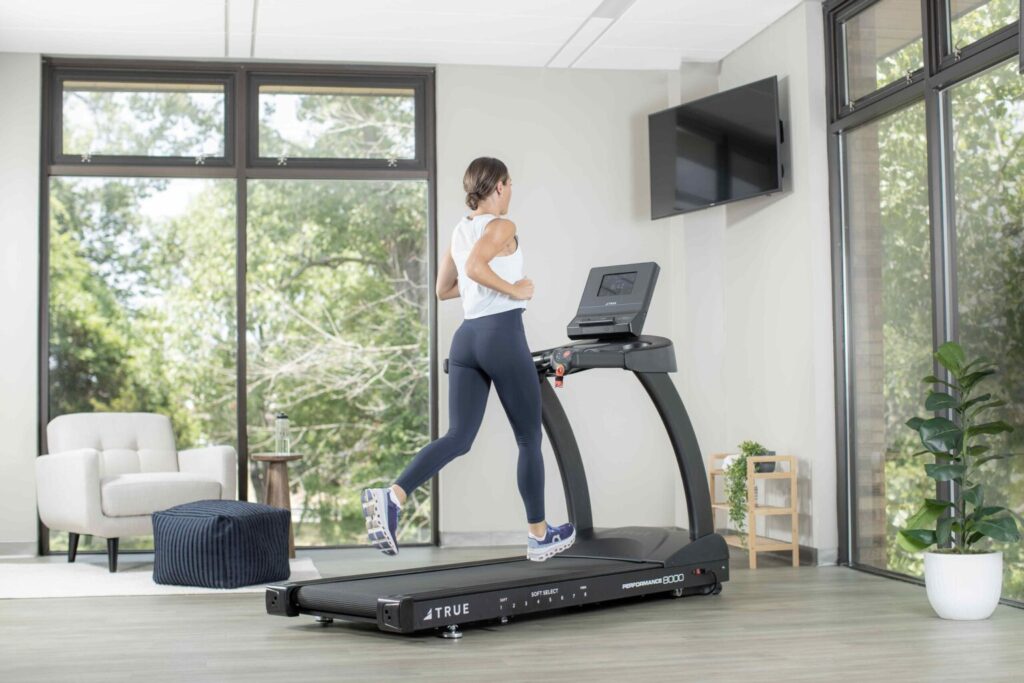
The first step in fitness is not about effort or intensity. It’s about reducing resistance. Resistance comes from fear, pressure, and unrealistic expectations. When the first action feels too big, the mind naturally pushes back.
Choosing something that feels safe enough to repeat makes starting easier. This might be walking regularly, light movement at home, or simply showing up in an environment where movement happens. Comfort does not mean avoiding effort. It means choosing an entry point that doesn’t overwhelm you.
From personal experience, removing performance expectations made starting feel possible. When movement was no longer tied to results, progress, or comparisons, consistency came more naturally. This won’t look the same for everyone, but lowering pressure often makes action feel less threatening.
Movement Comes Before Exercise
At the beginning, it helps to think in terms of movement rather than exercise. Movement is flexible and natural. Walking, stretching, or basic body movements reconnect you with your body without making things feel serious or heavy.
Exercise usually comes with structure. Sets, reps, timers, goals. While structure is useful later, it can feel overwhelming at zero. Movement builds comfort first. Exercise adds structure later. Comfort needs to come before structure.
Once movement becomes normal, exercise stops feeling like punishment and starts feeling purposeful. This shift matters, especially for people who feel mentally drained or disconnected from their body.
Letting Exercise Fit Into Real Life
Exercise works best when it fits into your existing life instead of fighting it. Trying to change everything at once often leads to frustration. Starting small allows the body and mind to adapt without resistance.
A few days a week is enough at the beginning. Rest days are not a lack of discipline. They are part of sustainability. Doing less but staying consistent is more effective than doing too much and quitting.
Simple exercises are enough to start with. Bodyweight movements, basic machines, or light weights all work. The goal is not exhaustion. The goal is becoming familiar with effort and recovery.
Food Without Turning It Into a Constant Struggle

Food often becomes stressful when it turns into rules and guilt. Many people believe they need strict diets to start fitness properly. In reality, strict rules at the beginning often make people quit faster.
A simpler approach works better. Eating more home food, reducing obvious junk gradually, and paying attention to portions without measuring everything creates awareness without pressure. This allows habits to form naturally.
There is no need to eat perfectly or remove everything you enjoy. Awareness builds better habits than control. When food feels realistic, fitness feels manageable instead of restrictive.
Early Changes That Are Easy to Miss
Physical changes take time, and that can feel discouraging. Mental changes often appear first, but they are subtle. Slightly better mood, improved sleep on some days, or a sense of routine are common early signs.
These changes matter because they show that the body and mind are adjusting. Fitness supports mental health quietly, not through dramatic transformations, but through repetition and structure.
Noticing these small shifts can help people stay connected to the process even when visible progress feels slow.
Inconsistency Is Part of the Process
Inconsistency is normal, especially at the start. Some days you feel like moving. Other days you don’t. This does not mean you lack discipline or motivation.
The real problem is not missing a day. It’s letting one missed day turn into stopping completely. Returning without guilt is more important than staying perfect.
Consistency does not mean doing everything right. It means continuing even when things are uneven.
How Discipline Actually Develops

Discipline is not something people suddenly discover. It develops slowly through repetition and trust. Motivation is emotional and unreliable. Routine is quieter but steadier.
Doing something small on low-energy days builds trust with yourself. Even short movement matters because it keeps the connection alive. Over time, effort feels less forced and more natural.
When fitness stops being a test of willpower, it becomes part of normal life.
Confidence Comes After You Begin
Many people wait to feel confident before starting fitness. Confidence does not work that way. It is built through repeated exposure to discomfort.
No one feels confident at the beginning. Confidence grows when effort becomes familiar and fear loses its power. Starting imperfectly is part of the process.
Waiting to feel ready often keeps people stuck where they are.
Why This Blog Is a Starting Point
This post is meant to act as a base, not a complete guide. From here, fitness can branch into many areas like gym training, home workouts, discipline, habits, mental clarity, recovery, and food awareness.
All of these topics make more sense once the starting phase is understood properly. Fitness is not one decision. It’s a series of small choices that slowly shape routine and identity.
Understanding the beginning makes everything else easier to build.
A Grounded Ending Thought
Starting fitness from zero is not about changing your life overnight. It’s about slowly paying attention again. To your body. To your energy. To how movement fits into your daily life.
There will be slow days and breaks. There will be moments of doubt. None of this means you are failing. Fitness grows quietly when pressure is low and patience is present.
You don’t need to prove anything. You just need to stay connected. Over time, that connection becomes steady and real.
That is how fitness actually begins.